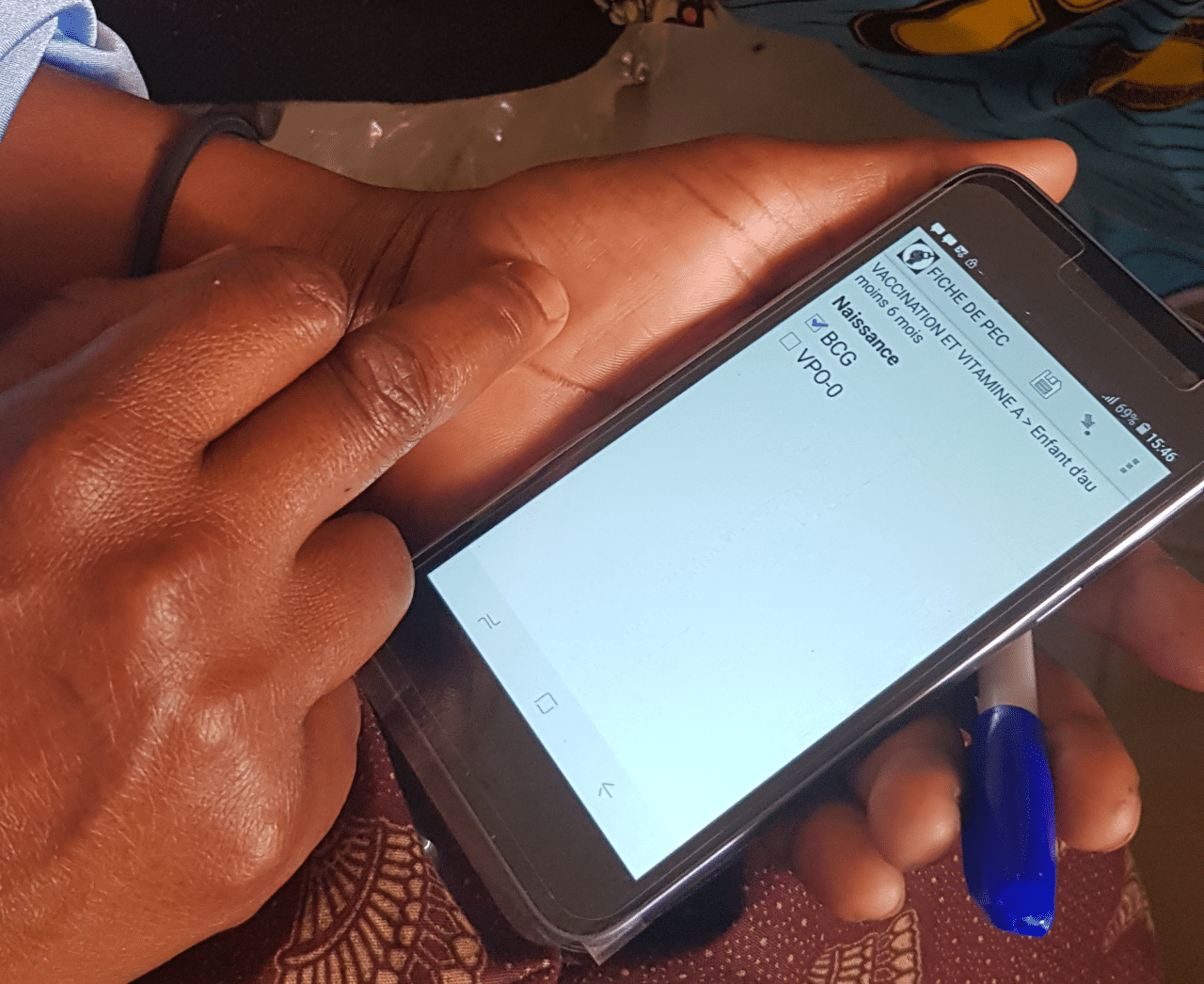
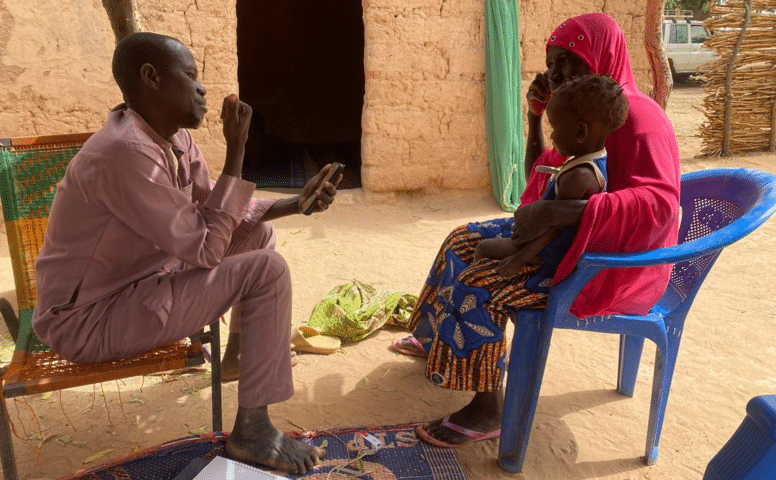
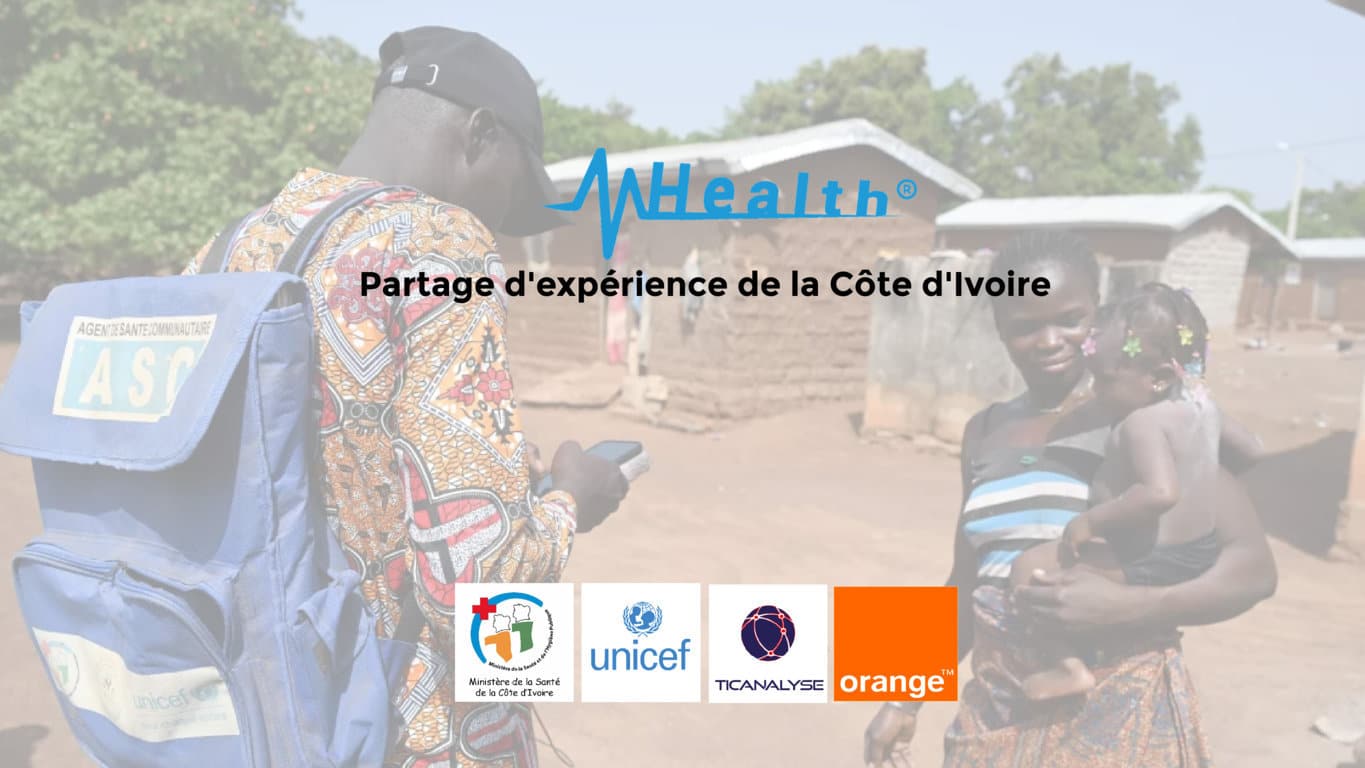
The project to use mobile phones for community health services, or community m-health, with "m" standing for mobile and "health" for health in English, was officially launched on Friday, 9 December 2016, in Yako. It is a system for community health workers (CHWs) to use mobile phones to improve the quality of health services. The result of a partnership between the Ministry of Health and the United Nations Children's Fund (UNICEF), community m-health is part of the Integrated Management of Childhood Illnesses (IMCI).
Malaria, acute respiratory infections, diarrhoea and neonatal infections are the main causes of death among children under five in Burkina Faso. "Out of every 1,000 live births, around 80 children die. Seventy per cent of these deaths occur at the community level," noted Dr Anne Vincent, UNICEF Resident Representative in Burkina Faso.
Reducing infant and child mortality remains a major concern for Burkina Faso. After implementing several strategies, including integrated management of childhood illnesses at the community level, Burkina Faso has opted to use mobile technologies for health care. According to Dr Simon Sanou, Director of IT and Telehealth Services, this is possible. "According to studies, 51 out of 100 inhabitants use mobile phones in Burkina Faso," he said, adding that the aim now is to use mobile phones to support the health sector on a daily basis.
According to the director of IT and telehealth services, data is entered in the form of text messages using a form designed for mobile phones. This data is then sent via a short code (set up on the phones of those involved), allowing stakeholders and decision-makers to access information in real time for decision-making purposes.
And since pilot projects have already yielded encouraging results in certain African countries, Burkina Faso has agreed to participate in two districts in the north of the country, Gourcy and Yako. According to the UNICEF representative, the project will be extended in 2017 to all districts in the northern region. "Nearly 53,000 children under the age of five will benefit from this innovative approach. Of course, for us to succeed, the community and leaders at all levels must embrace and support m-health," said Dr Anne Vincent.
According to the UNICEF representative, this project could cover the entire territory of Burkina Faso. "If we see better performance from ASBCs and fewer stockouts, it will prove that the system is viable. It will then be up to the Ministry of Health to roll it out nationwide," she said, emphasising that the pilot phase of the project, which is supported by the Bill and Melinda Gates Foundation, has a promising future. "This is a project that is of great interest to donors. The Global Fund is also interested in taking over and supporting the government in scaling it up. We now need the pilot phase to work well and for us all to be involved in its operation," she added.
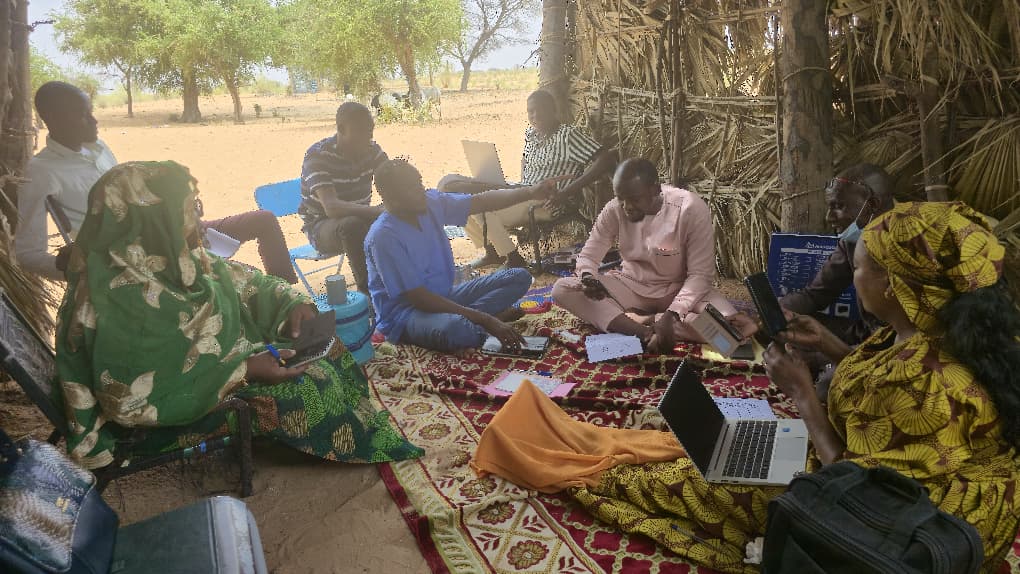
Thanking UNICEF for its support in implementing this project, Director General of Health Dr Salifou Konfé said that m-health will improve performance in terms of child care. This includes monitoring drug stocks as part of community IMCI and continuously evaluating the performance of ASBCs. Ms Vincent emphasised that the m-health project aims to contribute to strengthening the productivity of ASBCs and increasing the attendance rate at integrated disease management services. To this end, monthly coaching sessions are planned to strengthen the capacities of field workers. "Head nurses will have to visit ASBCs every month to verify the reliability of data and also address other difficulties," explained Ouédraogo Dominique, head nurse of Sector 4 in Yako.
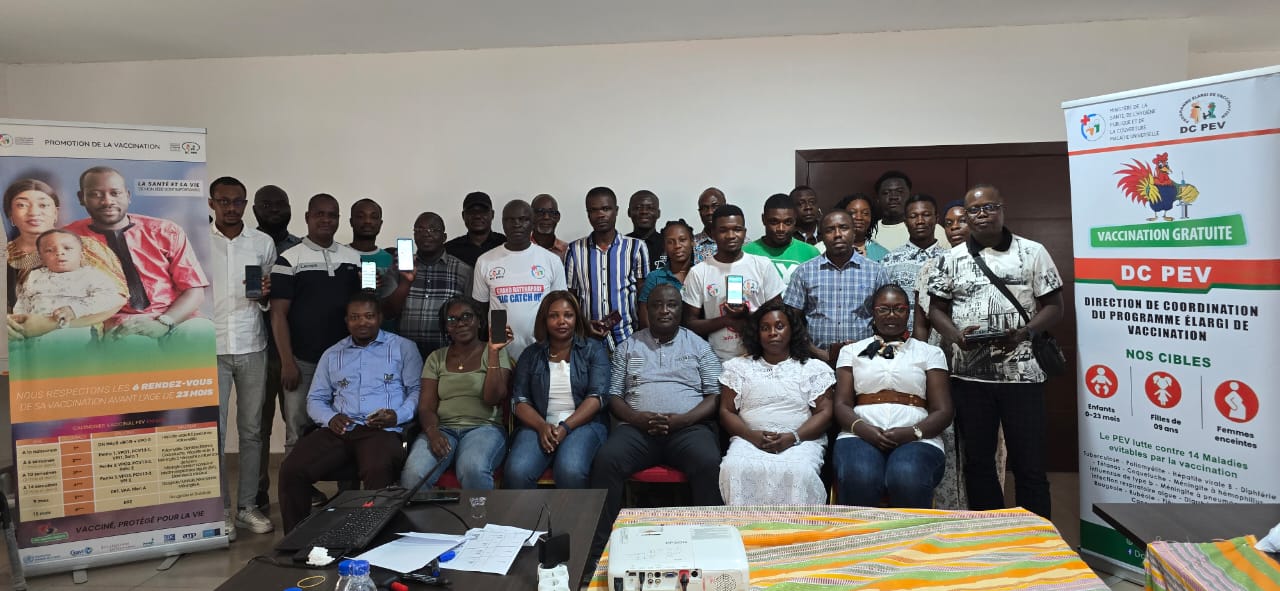
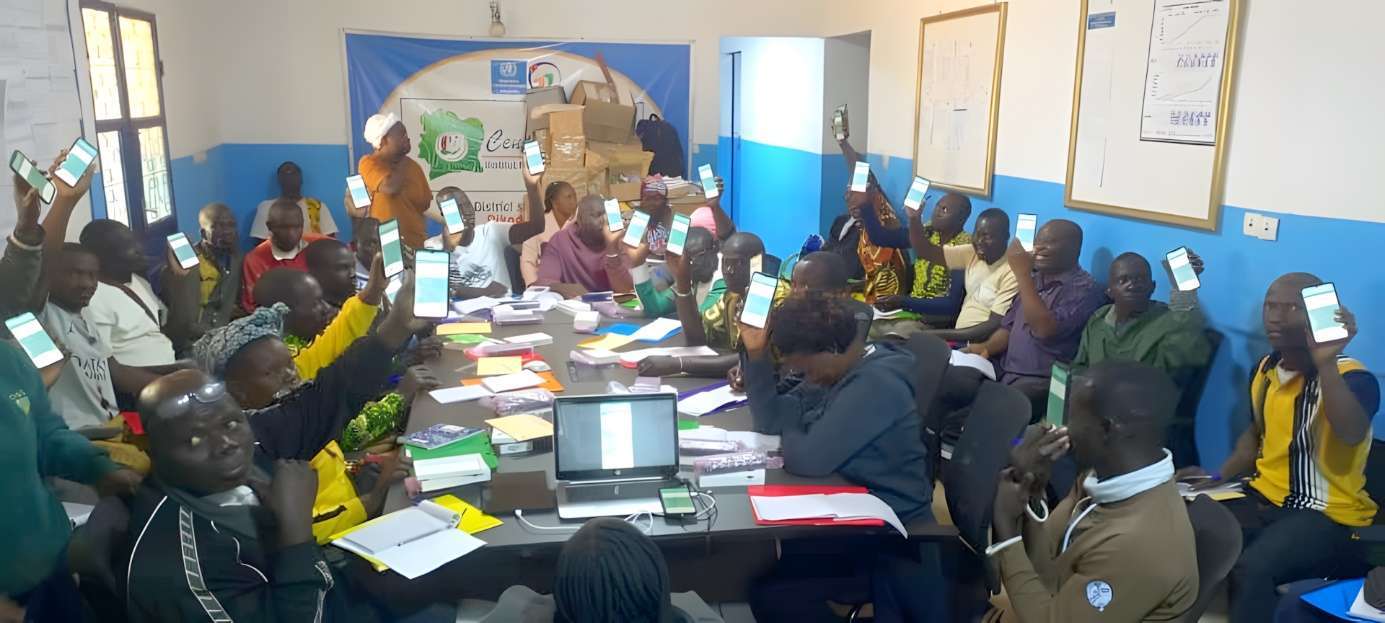
The ceremony featured a demonstration of how the m-Health system is used by health workers at the CSPS in Sector 4 of Yako. For the first phase of the project, a total of 18 district team members, 424 health workers operating in 212 CSPSs and 1,286 ASBCs will be working in 643 villages.
Nicole Ouédraogo
Lefaso.net
 FR
FR  EN
EN