
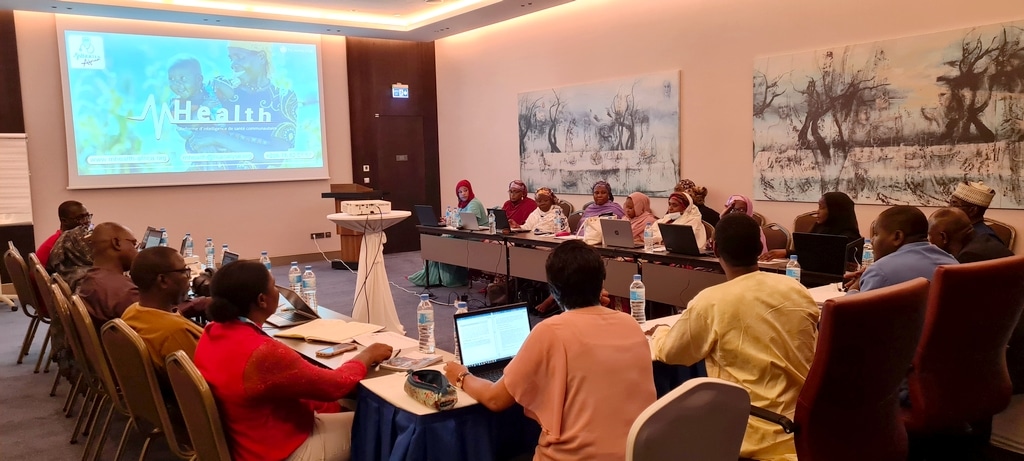
Africa Centres for Disease Control and Prevention (Africa CDC), the African Union's specialised agency for public health, has announced the appointment of Mahamadi Rouamba, Chief Executive Officer of TICANALYSE, to the Primary Health Care Digitalization Experts Committee (PHC-DEC)This committee brings together 28 experts from several regions of the world, mobilised to support African states in the digital transformation of primary healthcare.
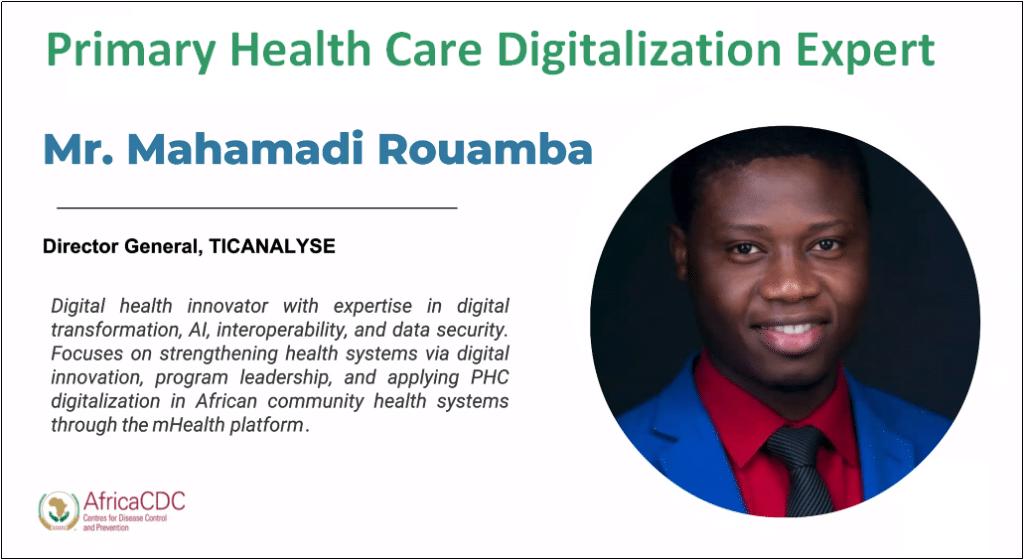
A strategic committee to accelerate the digitalisation of healthcare in Africa
Created as part of Africa CDC's 2023–2027 strategy, the PHC-DEC aims to:
- define priorities for the digitalisation of primary healthcare provision;
- examine the tools, frameworks and guides made available to Member States;
- promote coordination between countries, regional institutions and technical partners;
- contribute to the implementation of PHC Digitalization Toolkit, a set of operational tools to support countries in their deployments.
Through this committee, Africa CDC aims to strengthen the resilience of health systems, improve equity and bring services closer to populations... thanks to digital solutions adapted to the field.

An appointment backed by more than a decade of innovation with mHealth
This designation is based on Mahamadi Rouamba's significant experience in the digitalisation of healthcare in West Africa. Under his leadership, TICANALYSE has designed and deployed the platform. mHealth over the years, in several countries and for different uses:
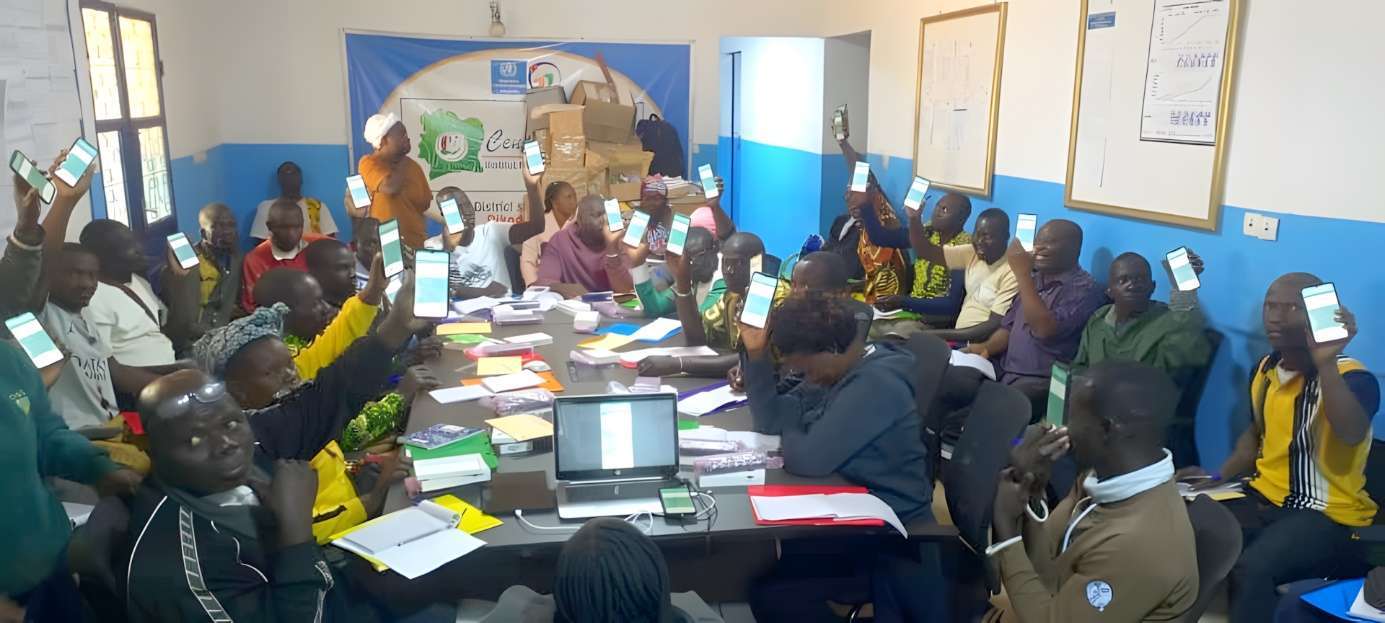
- 2016 : digitisation of community health data in Burkina Faso;
- 2019 : digitisation of community health data in Niger;
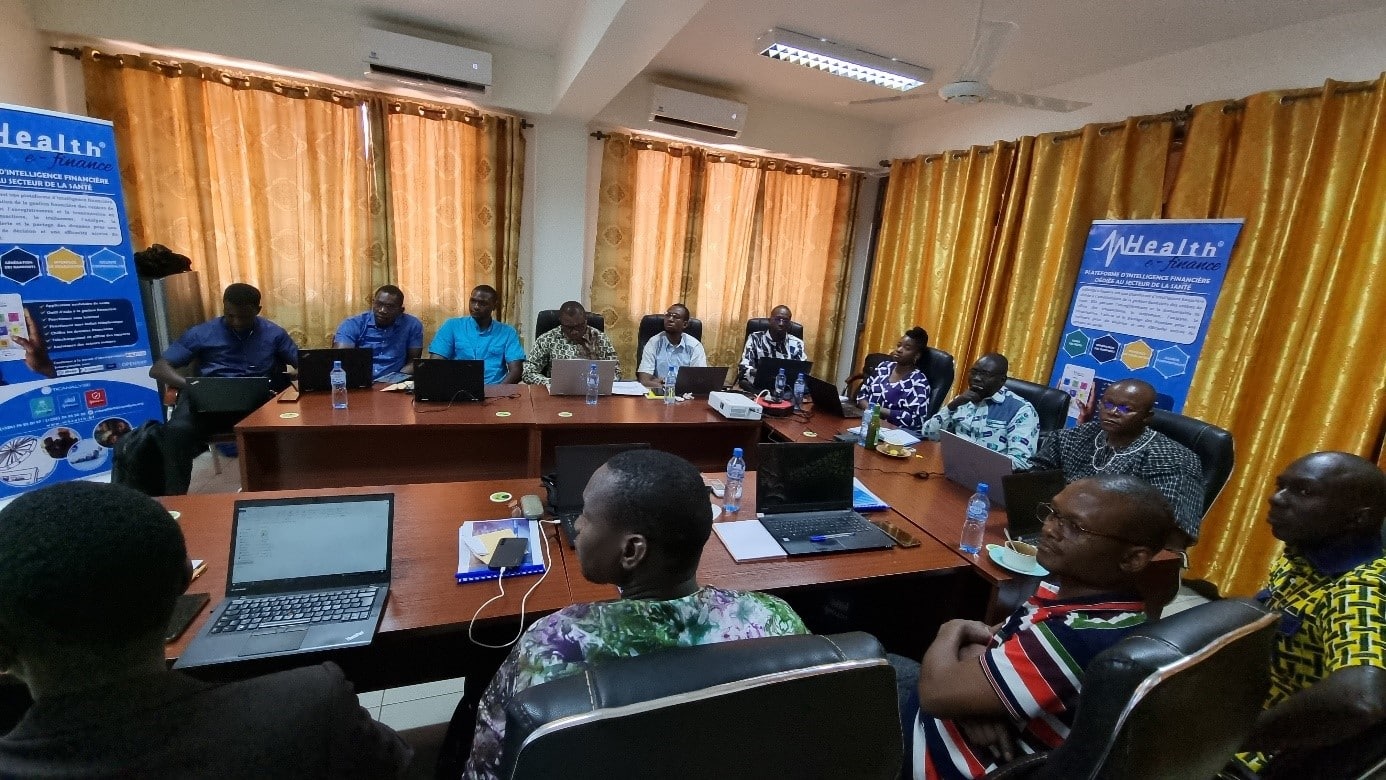
- 2022 : digitisation of financial management at Health and Social Promotion Centres (CSPS) and Medical Centres with Surgical Units (CMA) in Burkina Faso;
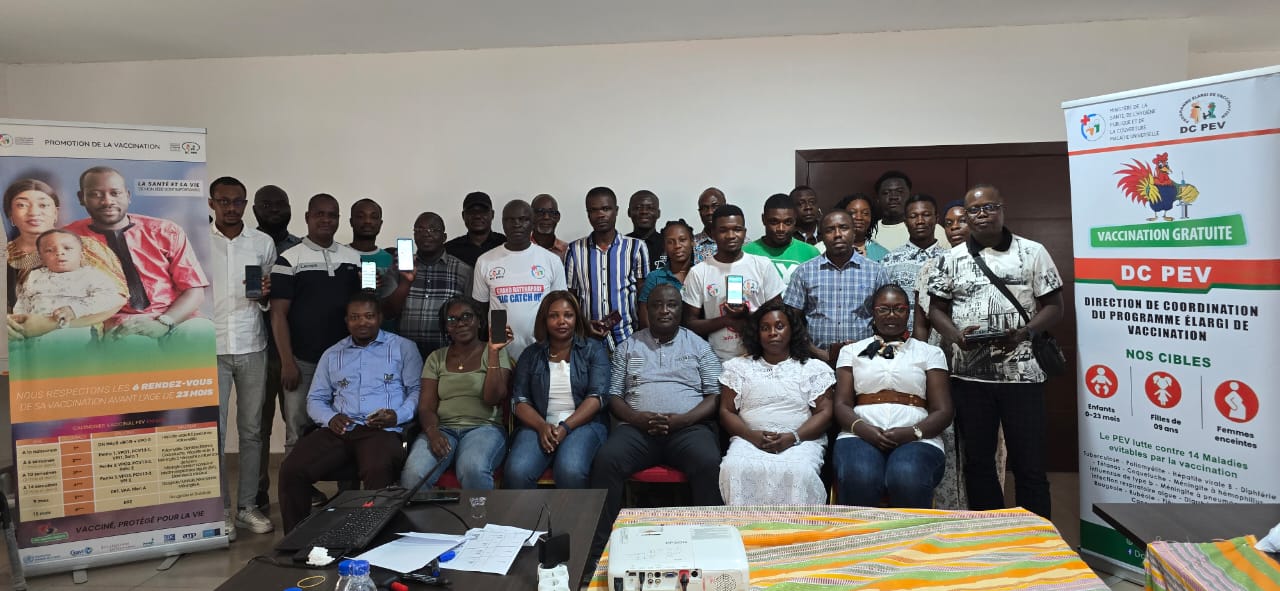
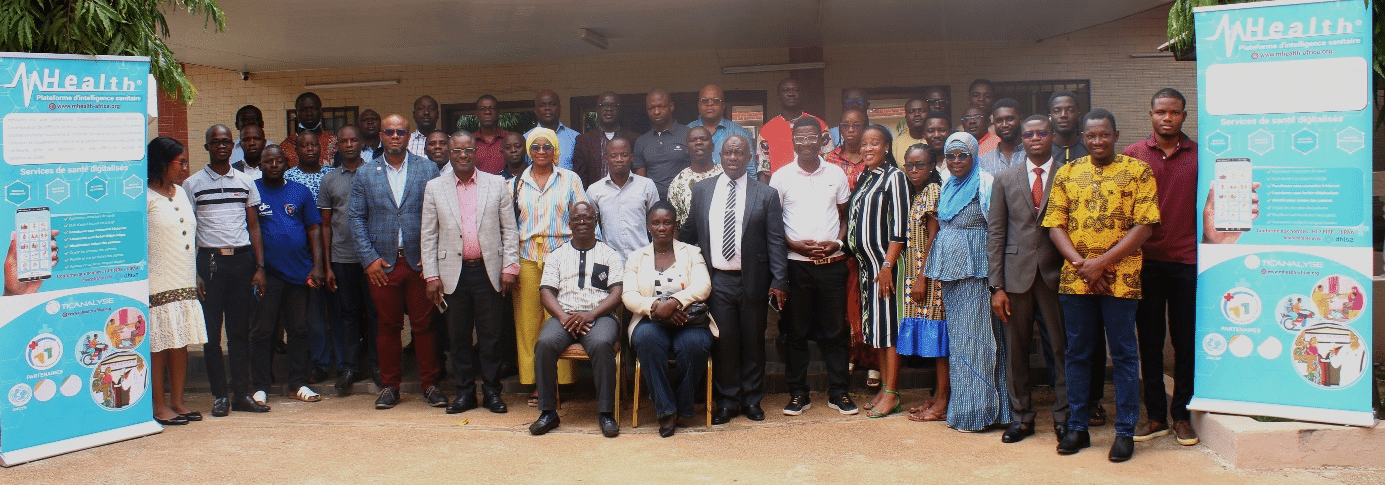
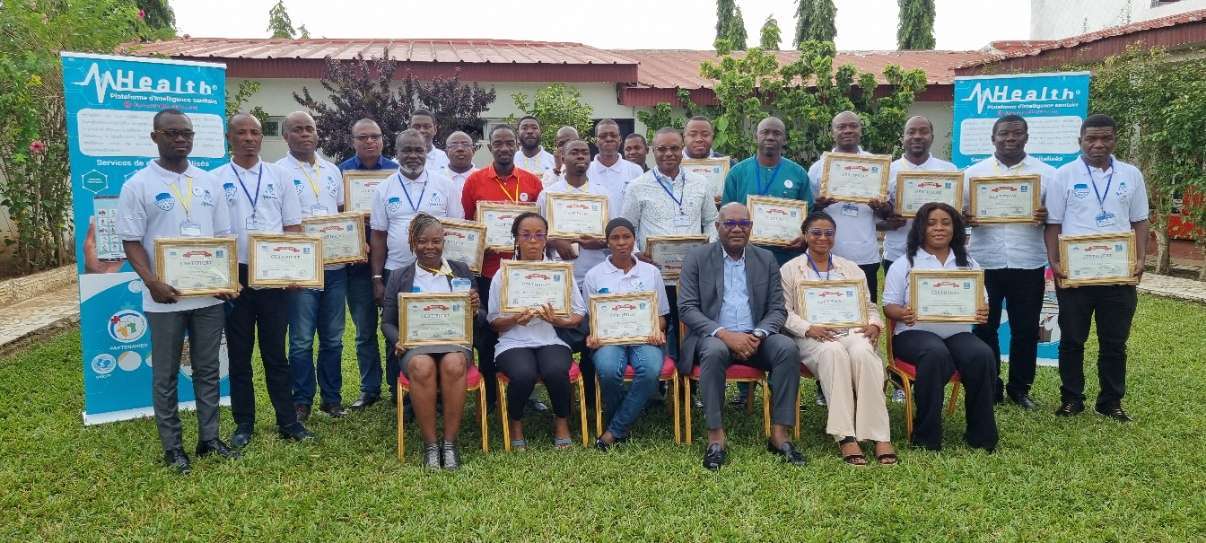
- 2024 : digitisation of community health data in Côte d'Ivoire.
This pioneering work contributed to the award, in 2019, of the Pierre Fabre Foundation Prize for the Observatory of e-Health in Southern Countries and the prize for the first innovation in 2024 in NigerToday, mHealth is used in several African countries as an integrated platform for digitising primary healthcare provision, particularly at community level.
mHealth: a solution designed for the field, tailored for Africa
Designed to function without an internet connection, mHealth permet :
- to provide, without fail, a comprehensive package of preventive and curative care to pregnant women, mothers, newborns and children under five;
- to assign a unique identifier to each patient;
- to follow their journey through the healthcare system;
- manage the availability of inputs;
- to identify children zero dose et les patients perdus de vue ;
- to support reproductive health activities;
- to strengthen epidemic surveillance and monitoring of chronic diseases;
- to transmit and receive the necessary data without relying on an internet connection.
Interoperable with national health data warehousing platforms, including DHIS2, and equipped with a health intelligence centre based on artificial intelligencemHealth assists decision-makers in:
- visualise the performance of primary healthcare provision;
- identify areas with insufficient coverage;
- direct resources to where they are most needed.
‘It is a responsibility towards the continent.’
Mahamadi ROUAMBA
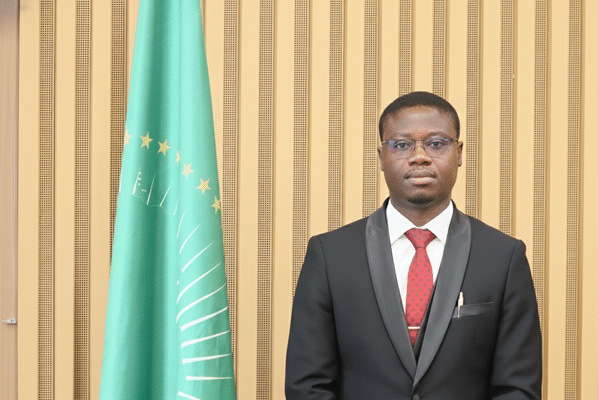
For Mahamadi Rouamba, this appointment represents above all an opportunity to contribute to a continental vision of digital transformation:
‘It is an honour, but above all a responsibility towards the continent. Through this committee, we have the opportunity to bring together the experiences of different countries, local innovations and the needs of communities to build a coherent vision for the digitalisation of primary healthcare in Africa. Digital technology must first and foremost simplify the work of teams in the field and strengthen their impact.’
Recognition for Burkina Faso and local innovation
This appointment confirms Burkina Faso's growing role in digital health in Africa. It also demonstrates that a locally developed solution, such as mHealth, can influence major continental policies and become a benchmark in the digitalisation of community healthcare.
It should be noted that Mahamadi Rouamba, who is also chair of the WAEMU Digital Financial Services API Standardisation Committee, was recently praised for his contribution to the institutional video launching the BCEAO's interoperable instant payment platform (PI-SPI) last September.
Conclusion
With his appointment to the PHC Digitalisation Experts Committee, Mahamadi Rouamba joins the ranks of those shaping the future of digital health on the continent. mHealth, a solution developed in Burkina Faso, is now a strategic tool helping African countries to effectively digitalise primary healthcare provision, even in the most challenging contexts.

 FR
FR  EN
EN