
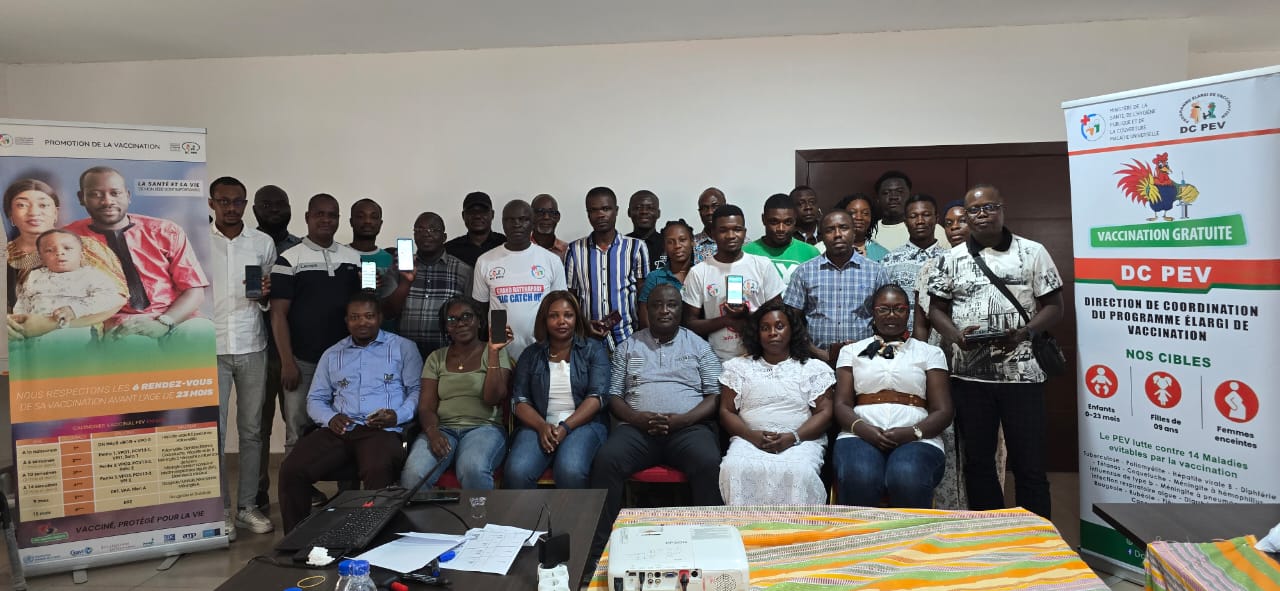
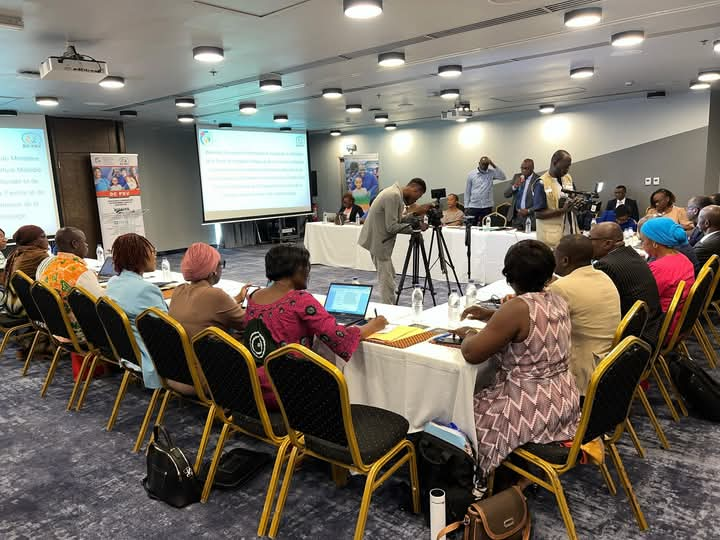
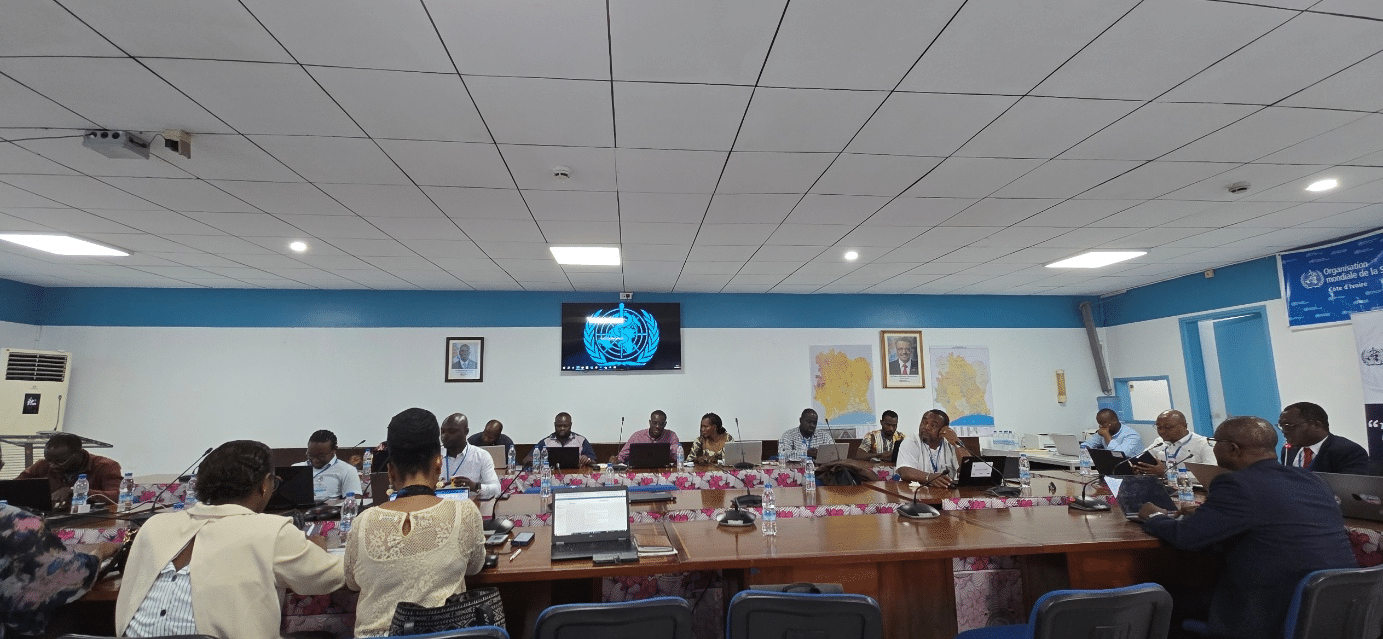
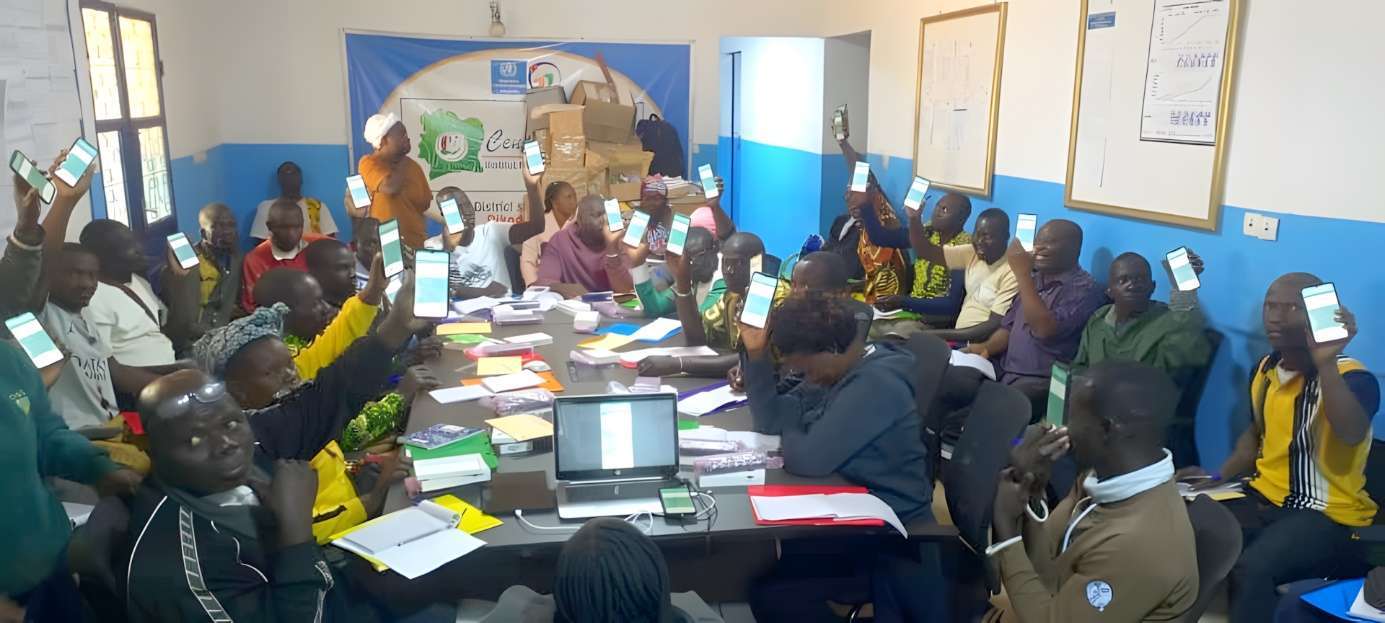
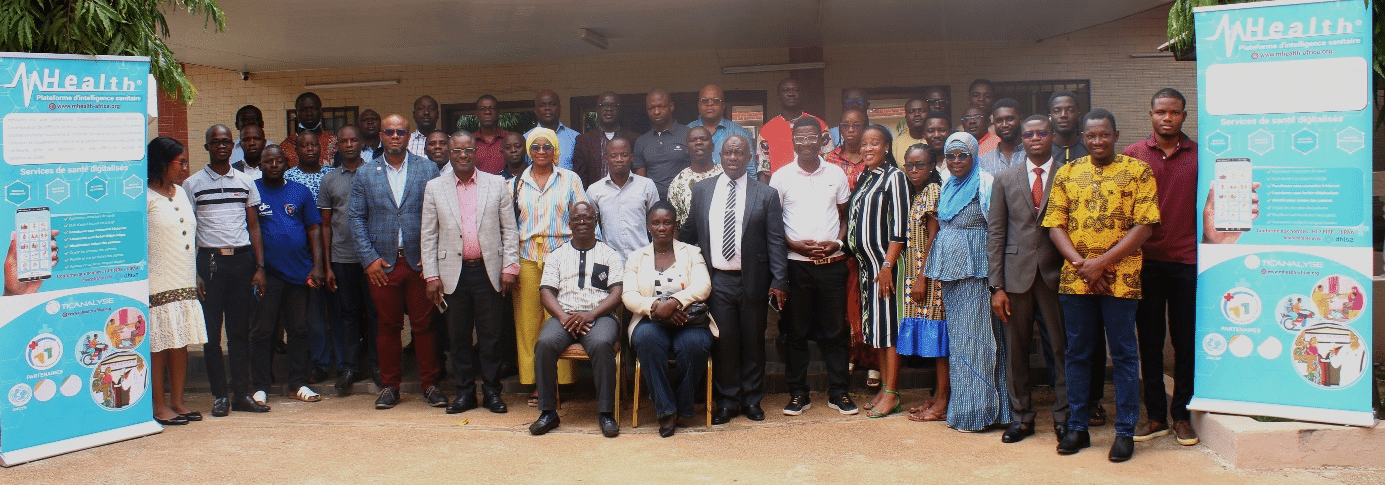
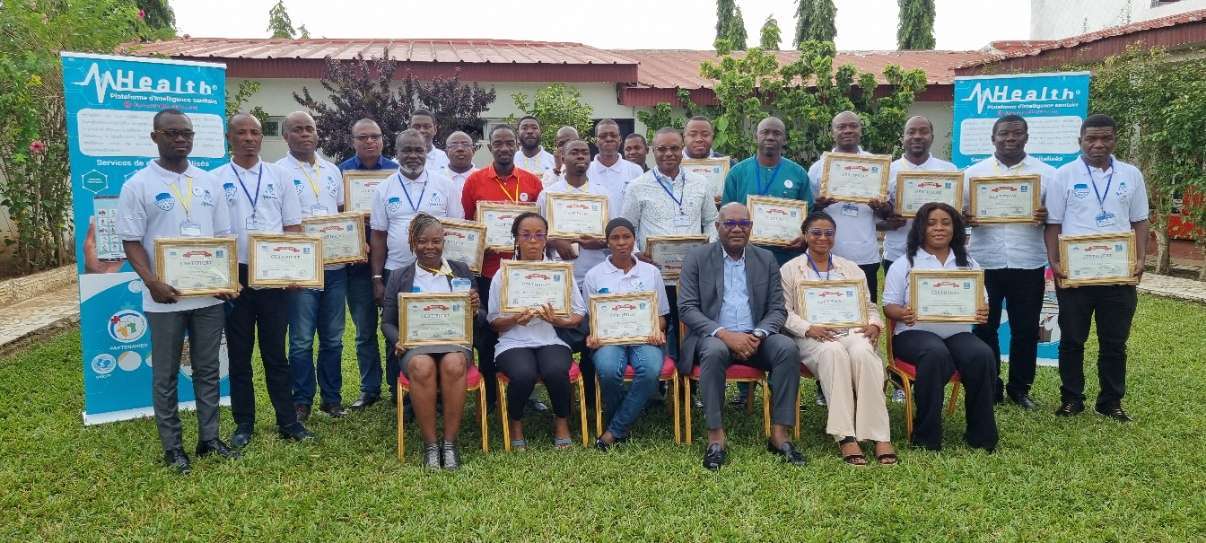
As part of the fight against cervical cancer, Côte d'Ivoire is taking a new step forward by integrating digital technology into its vaccination campaigns. A series of training sessions has been organised for members of the Vaccination Coordination Department and management teams from ten health districts of Abidjan : ABOBO_EST, ABOBO_OUEST, ANYAMA, YOPOUGON_EST, YOPOUGON_OUEST_SONGON, ADJAME_PLATEAU_ATTECOUBE, COCODY_BINGERVILLE, KOUMASSI, PORT_BOUET_VRIDI et TREICHVILLE_MARCORYThe objective: to equip them to use the platform. mHealth, an innovative system designed to optimise enumeration and the vaccination of young girls aged 9 to 18 years old against the Papillomavirus Humain (HPV).
Human papillomavirus (HPV) is one of the most common sexually transmitted infections in the world, with a transmission rate of over 80% among sexually active people. Some strains are responsible for serious cancers of the cervix, anus, penis, oropharynx, vagina and vulva. In the face of this threat, prophylactic vaccination is a major preventive measure. It is a strategic focus of the WHO roadmap to eliminate cervical cancer as a public health problem. According to estimates, this strategy could prevent 60 million cases of cancer and 45 million deaths in the coming decades.
Vaccinating girls before they become sexually active is essential for preventing HPV infection. This preventive approach maximises the vaccine's effectiveness and helps to significantly reduce the incidence of associated cancers, while also easing the burden on healthcare systems. It not only protects the individual health of young women, but also contributes to a collective effort to reduce transmission of the virus.
Since November 2019, Côte d'Ivoire has included the HPV vaccine in its Expanded Programme on Immunisation (EPI), targeting girls aged 9 to 14. This strategic choice illustrates the country's commitment to the health of younger generations and the fight against HPV-related cancers.
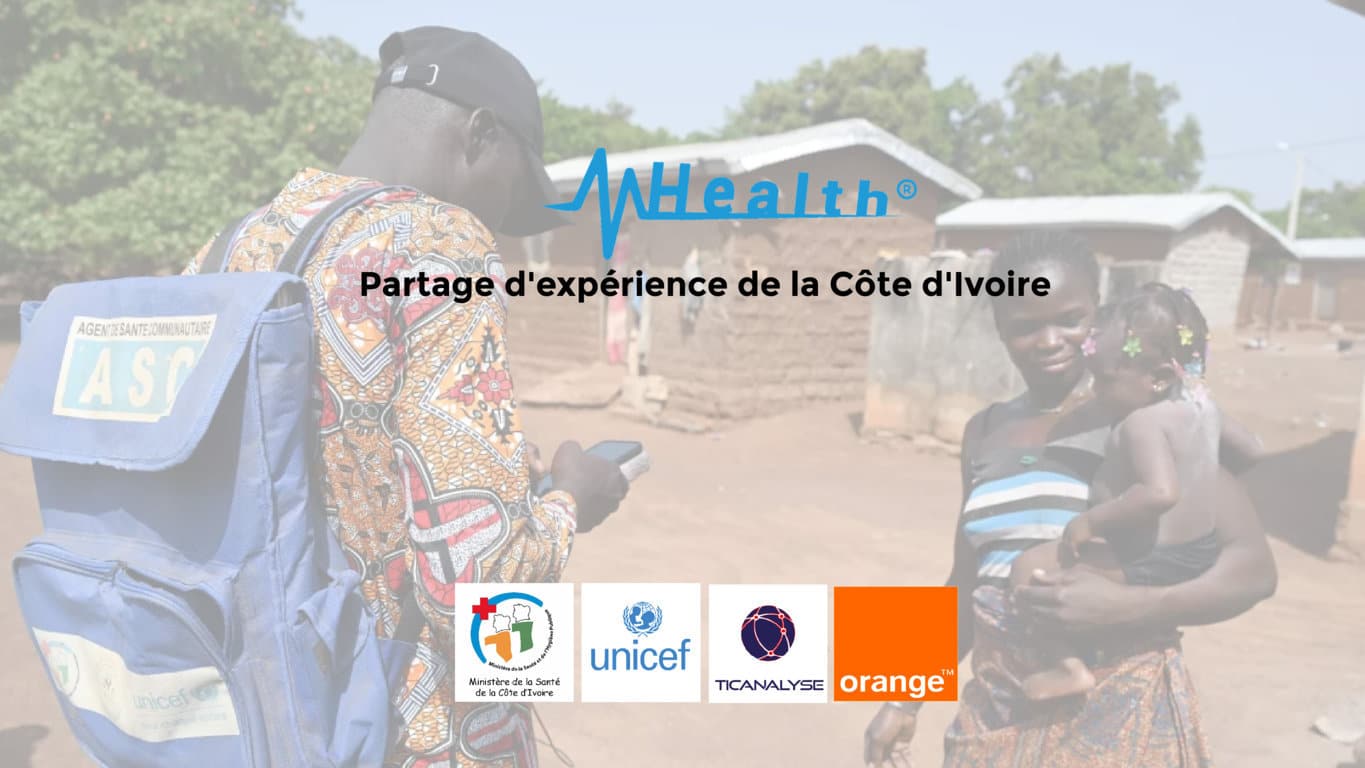
For a long time, vaccination campaigns were managed using paper-based systems, which often led to delays, errors and difficulties in monitoring operations in real time. The mHealth platform provides a concrete response to these challenges. It offers a comprehensive suite of interconnected modules that ensure smooth, transparent and efficient campaign management. The operational micro-planning module allows for the assessment of human resources, logistics and vaccine dose requirements. The target population identification module ensures accurate counting based on demographic and epidemiological data. The dose administration tracking module guarantees the traceability of each vaccination and compliance with the schedule. Real-time monitoring provides instant visibility of key indicators and activities in the field. The data management and reporting module centralises information and generates dynamic reports. Finally, the agent payment module facilitates secure and rapid remuneration via mobile money, boosting their commitment and efficiency in the field.
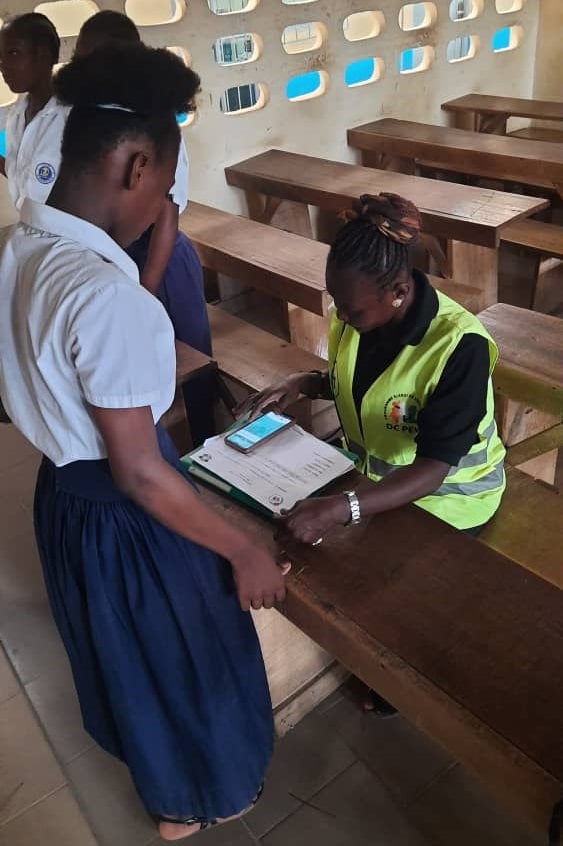
Thanks to mHealth, decision-makers can monitor campaign progress in real time, adjust actions, respond quickly to unforeseen events and optimise the use of resources. It is a paradigm shift that allows us to go faster, further and with greater precision.
The training of Abidjan's ten health districts in the use of mHealth for HPV vaccination marks a major step forward in the digitalisation of the Ivorian health system. By combining the benefits of preventive vaccination with the advantages of digital technology, Côte d'Ivoire is positioning itself as an innovative and committed player in the protection of its youth. This model could inspire other countries in the region to integrate digital tools into their public health strategies, thereby accelerating the achievement of cervical cancer control goals.

 FR
FR  EN
EN