
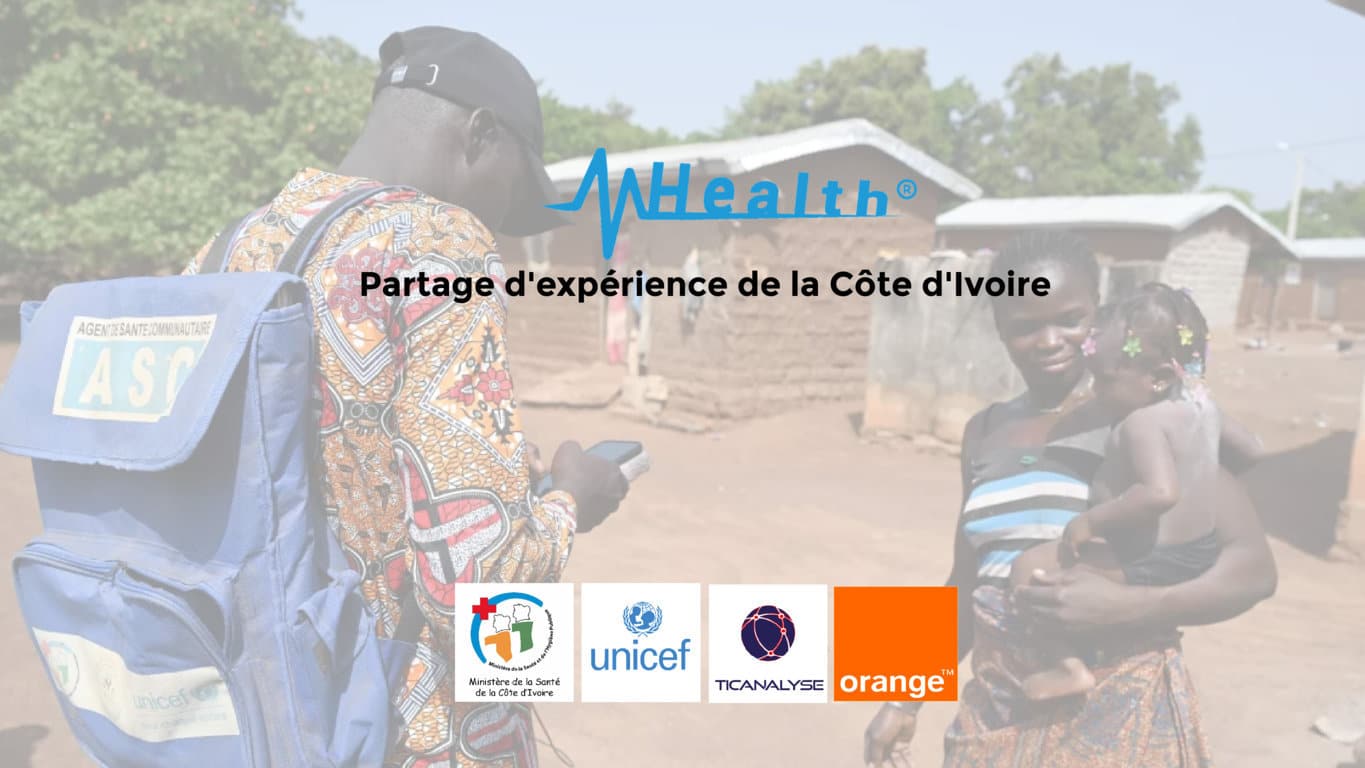
24 December marked a turning point for community health in Côte d'Ivoire with the launch of mHealth in the Poro region. This rollout, which covers the five health districts of Mbengue, Korhogo 1, Korhogo 2, Sinématiali, et Dikodougou, represents a significant step forward in the digital transformation of the country's community healthcare system.
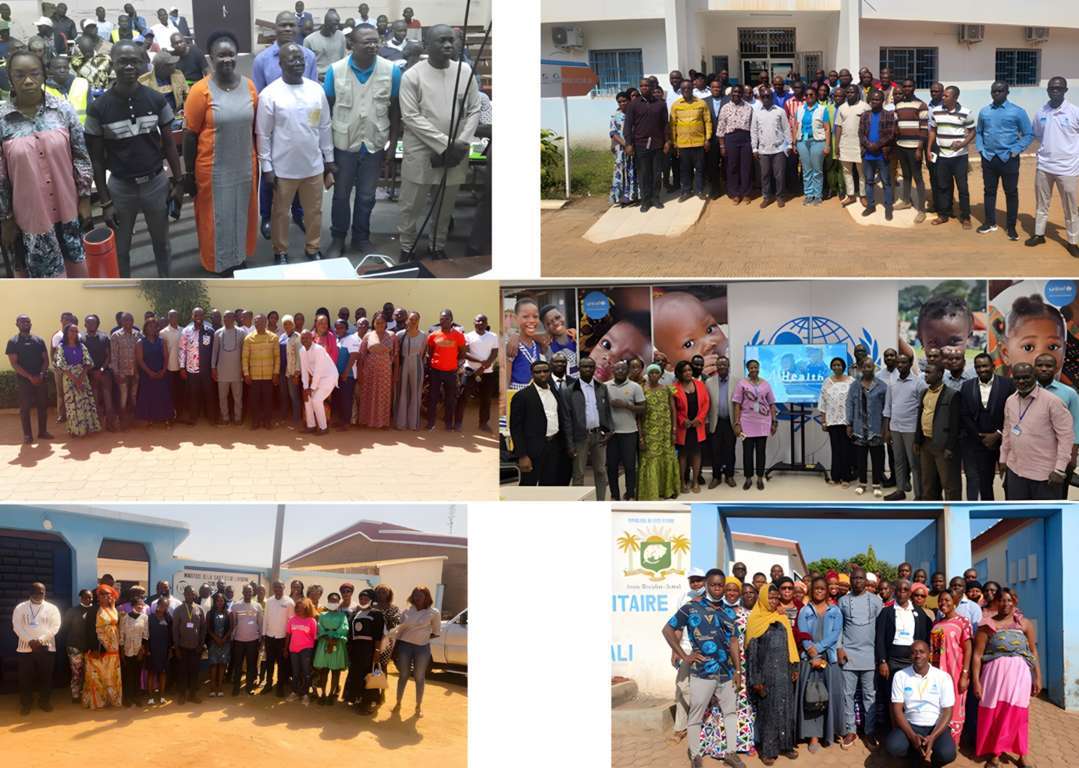
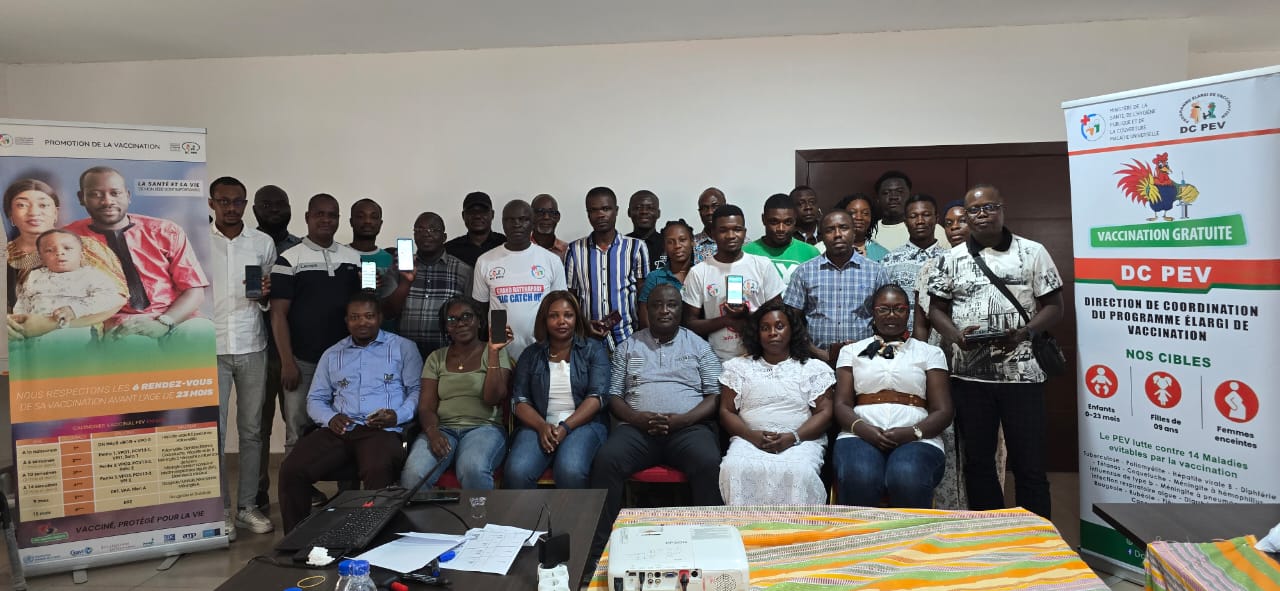
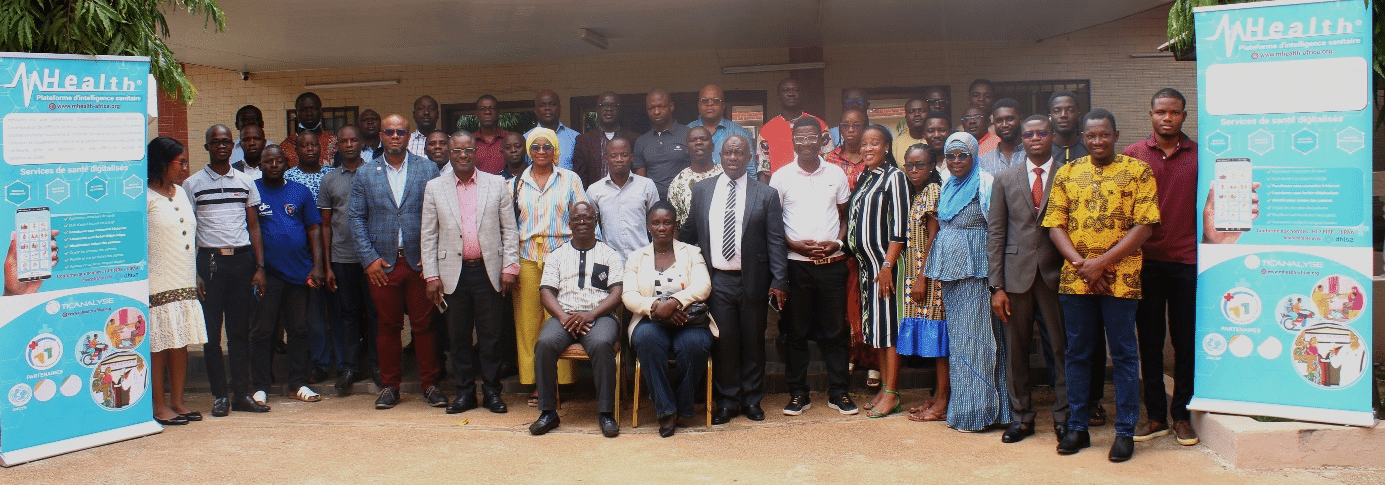
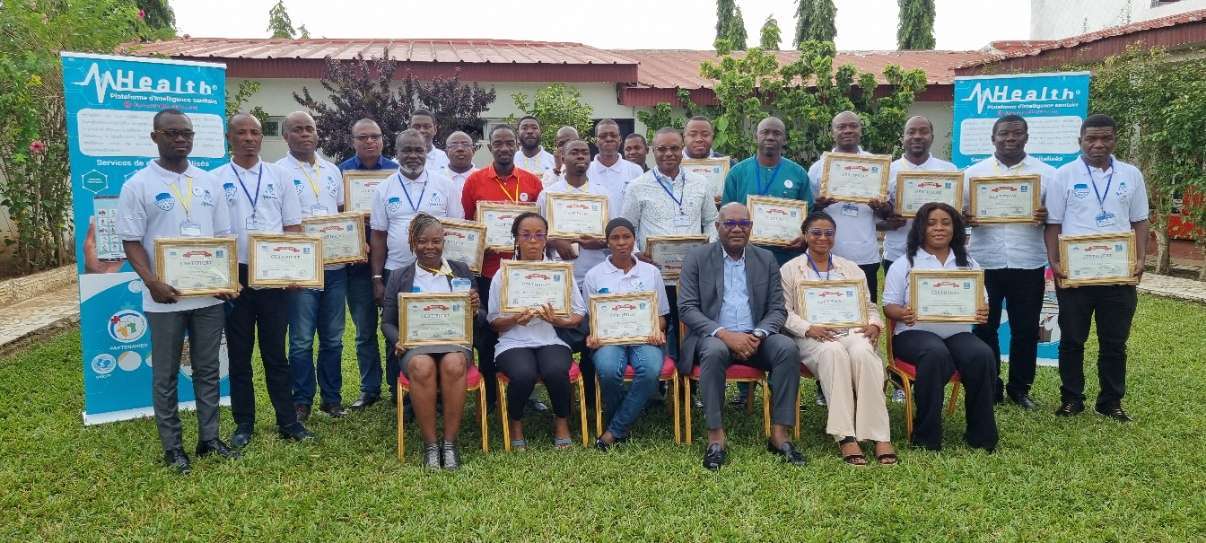
A two-stage training programme: nurses and nursing assistants at the heart of the system
To ensure smooth and effective adoption of mHealth, implementation began with a two-stage training programme:
1. Training of registered nurses : Nurses have been trained on their specific tool as well as on the tools intended for Community Health Workers (CHWs). This dual skill set enables nurses to supervise CHWs while using mHealth to manage inputs, supervise care, and ensure real-time data reporting via the Monitor interface.
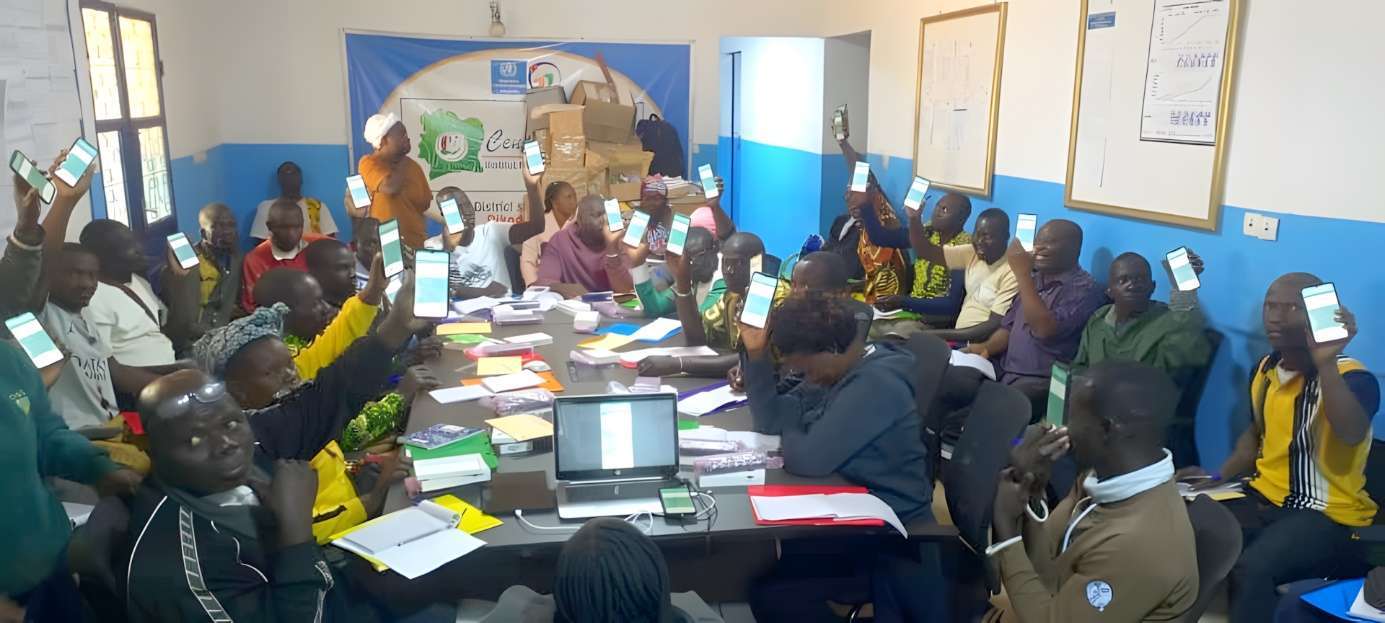
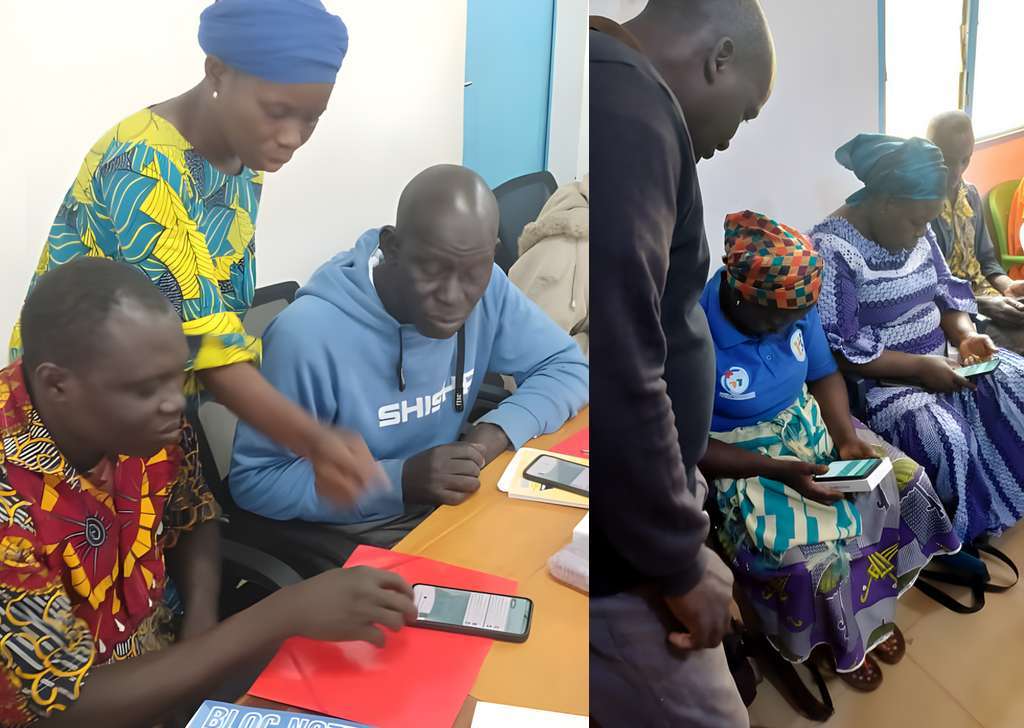
2. Training of ASCs by registered nurses : In a second phase, the IDEs themselves trained the ASCs, thereby strengthening their skills in household census-taking, prenatal and postnatal monitoring, vaccination, and medical input management. This participatory approach helped to strengthen local capacities and ensure full ownership of the platform by end users.
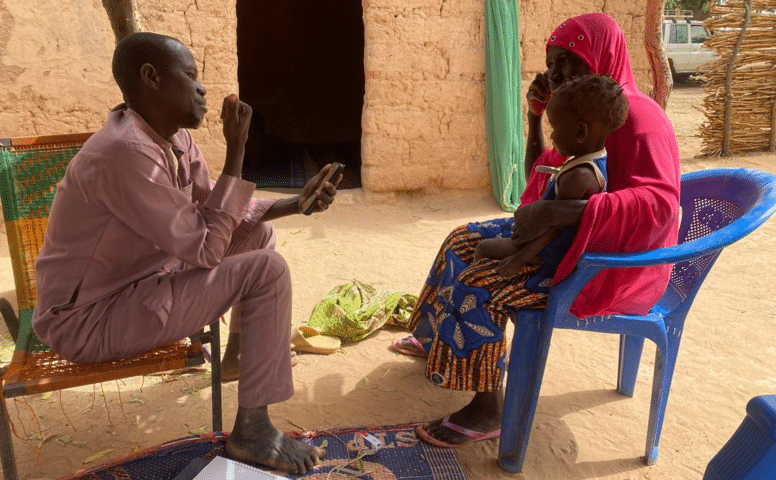
Impressive results after only two weeks
Just two weeks after going live, the initial results demonstrate the impact of mHealth in the five health districts of Poro:
- Over 20,000 households surveyed : Impressive fieldwork carried out by ASCs, providing an essential database for planning health interventions.
- Over 13,000 children under the age of 5 registered : Enabling accurate tracking of vaccinations and paediatric care.
- Over 1,200 pregnant women enrolled : Ensuring prenatal and postnatal care, with particular attention paid to remote areas.
These results confirm the effectiveness of mHealth in strengthening community health by collecting reliable data and optimising care for vulnerable populations.
A digital revolution serving public health
mHealth stands out for its adaptability and technical robustness:
- Offline operation : Enables use in areas with poor connectivity.
- Interoperability with DHIS2 : The data collected is directly integrated into the national system, providing real-time visibility on public health indicators.
- Modular approach Modules for census taking, input management, vaccination campaigns, and patient follow-up enable holistic management of community needs.
Next steps and outlook
The long-term goal is to expand mHealth to other regions of the country, capitalising on the lessons learned from this first phase in Poro. The commitment of IDEs and ASCs, coupled with feedback from beneficiary communities, provides a solid basis for adjusting and improving the system.
In Côte d'Ivoire, mHealth is much more than a technological platform: it is a driver of transformation for the healthcare system, a tool for empowering healthcare workers, and a promise of a future where every woman, every child, and every community has access to quality care.

 FR
FR  EN
EN