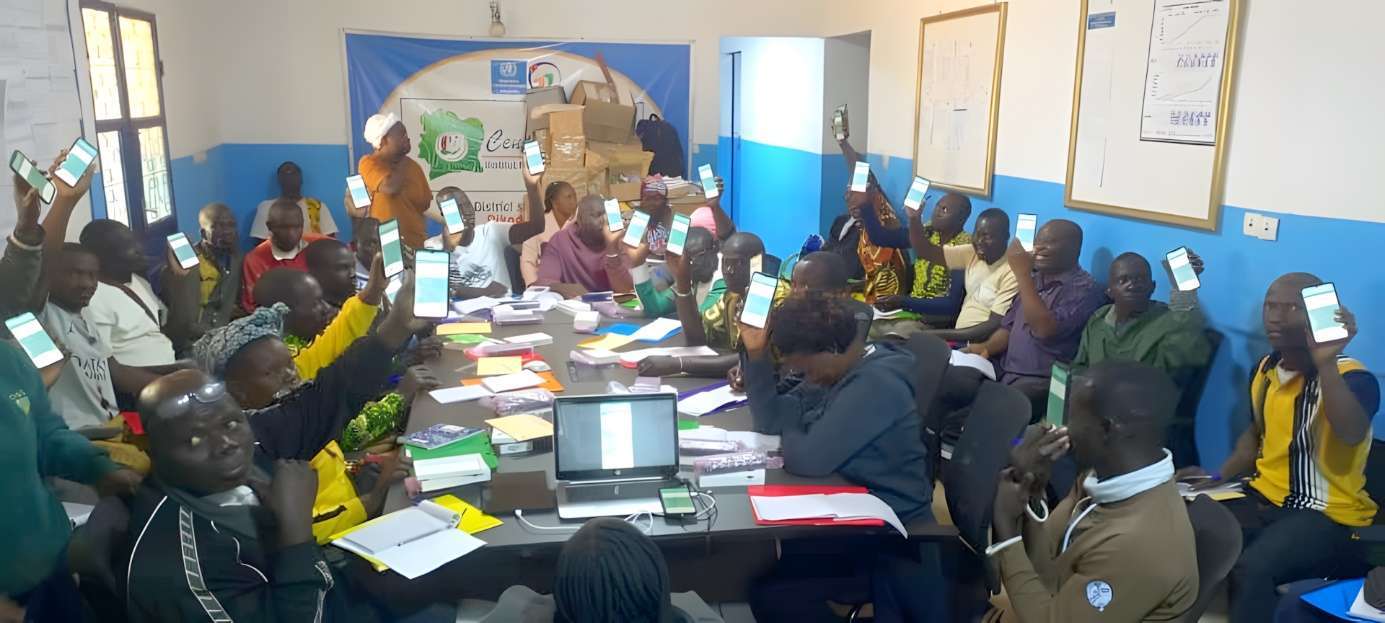
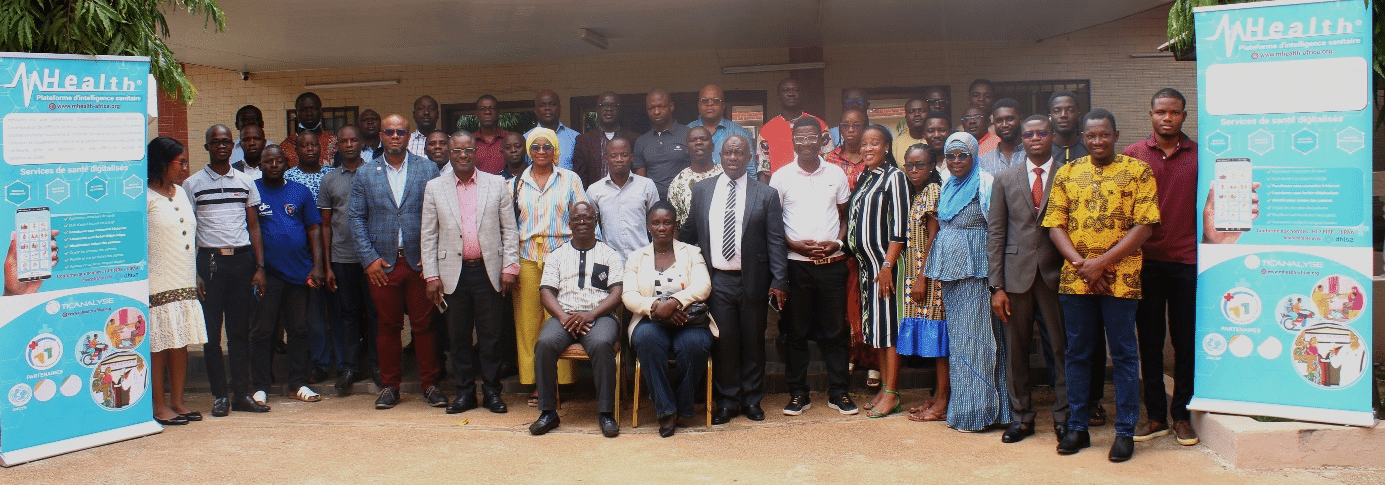
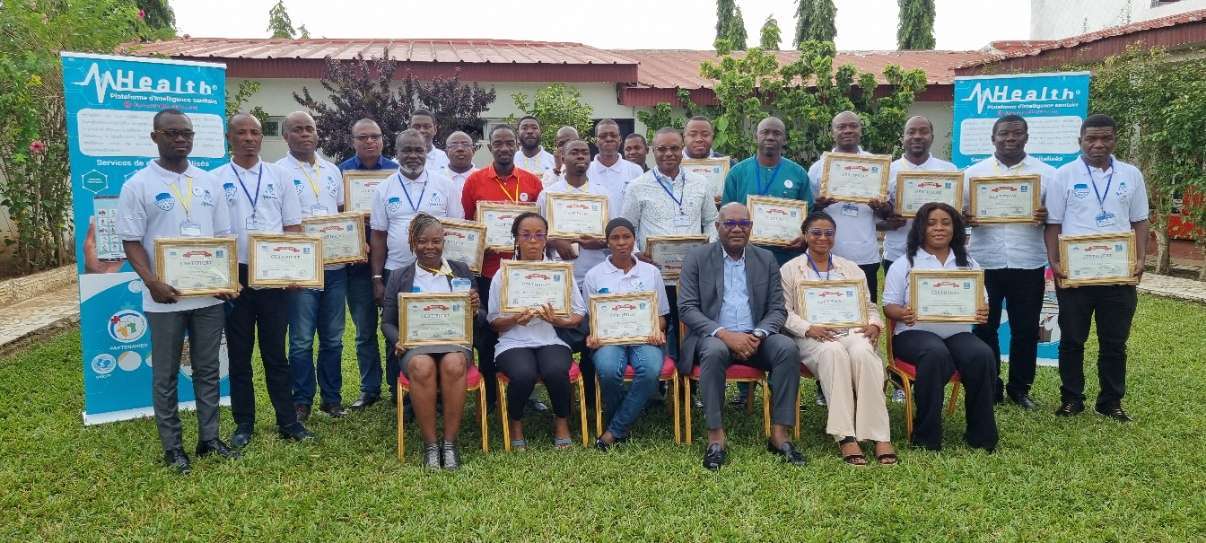
Niger has taken another step forward in the digitisation of community healthcare. The mHealth platform is now deployed in four out of eight regions, namely Maradi, Dosso, Tahoua and Zinder. This progress marks a concrete turning point: it brings essential services closer to communities, improves the quality of follow-up care, and strengthens continuity of care, particularly for children under five, newborns, pregnant women and mothers.
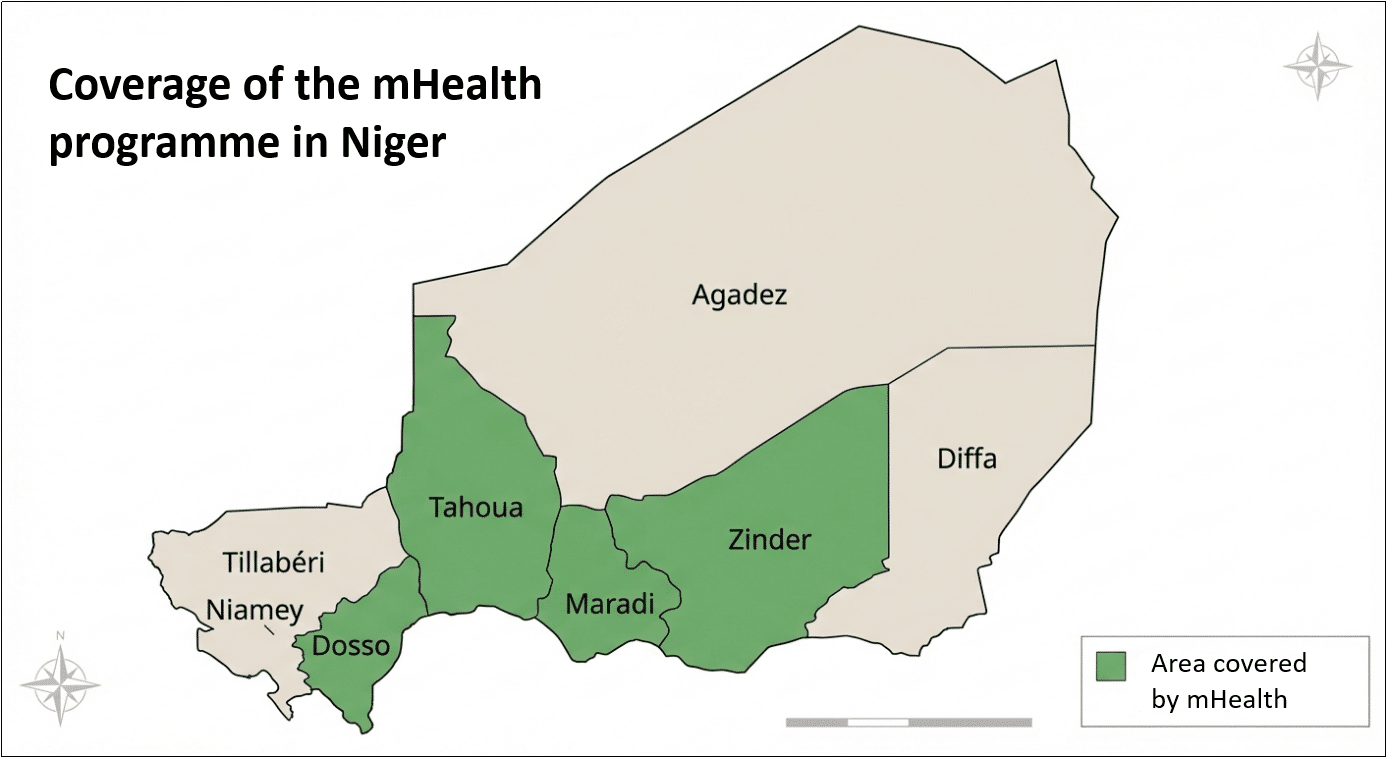
Reaching half of the country's regions, mHealth is becoming a major operational lever to support national community health efforts. Its deployment in Maradi, Dosso, Tahoua and Zinder allows for better harmonisation of field practices and increased availability of health information where it is most critical: at the community level, closest to households.
This coverage dynamic is not only geographical. It also reflects a gradual increase in the capacity of stakeholders, improved oversight mechanisms, and a more robust structure for reporting information to guide decisions.
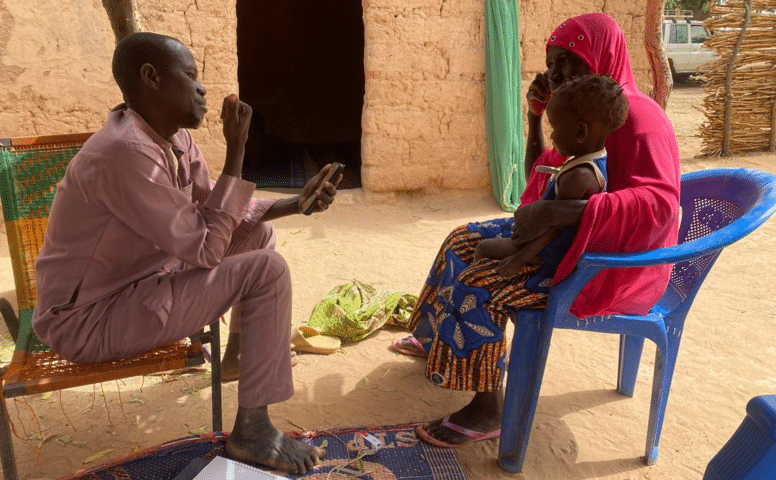
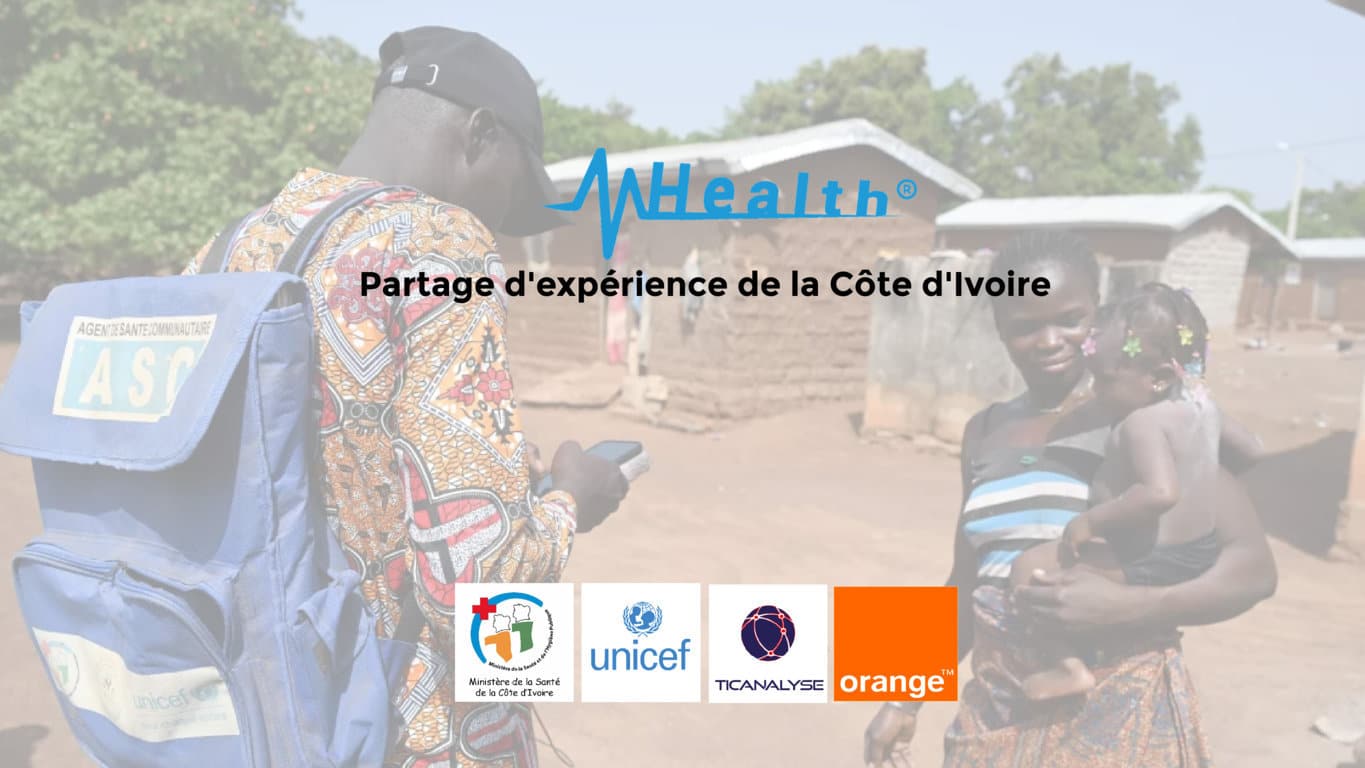
In many areas, access to healthcare facilities remains a challenge due to distance, transport costs, seasonal constraints and service availability. In this context, mHealth plays a vital role in strengthening the capacity of community health workers through simple, structured tools that are tailored to the field.
The benefits are visible on several levels:
- Earlier detection of risk situations, particularly in pregnant women and newborns.
- Faster referral to health training when signs of danger are identified.
- Better continuity of home visits, with a planned and documented monitoring approach.
- Reduction of information loss, as essential data is entered and can be consulted at the appropriate time.
The challenge of community health is not limited to "reaching" populations. It is also about ensuring consistent service quality, even in remote areas. In the regions covered, mHealth contributes to:
- Standardise monitoring protocols (mothers, newborns, children) through guided forms and structured pathways.
- Improving data quality, with more comprehensive, better controlled and usable data capture.
- Strengthen oversight, giving coordination teams visibility into actual activity, visitor volumes, topics covered, and alerts.
- Facilitating analysis and planning, making information more readily available to adjust local strategies.
The most significant gains often focus on vital priorities:
For newborns: more responsive monitoring during the first days of life, a period when risks are high.
For children: better detection of warning signs, more reliable continuity of visits, and improved referencing when necessary.
For pregnant women and mothers: Strengthened prenatal and postnatal monitoring, improved identification of warning signs, and clear documentation of visits and advice given.
Beyond maternal and neonatal care, mHealth also supports community-based IMCI (Integrated Management of Childhood Illness), strengthening the capacity of community health workers to care for children under 5 years of age.
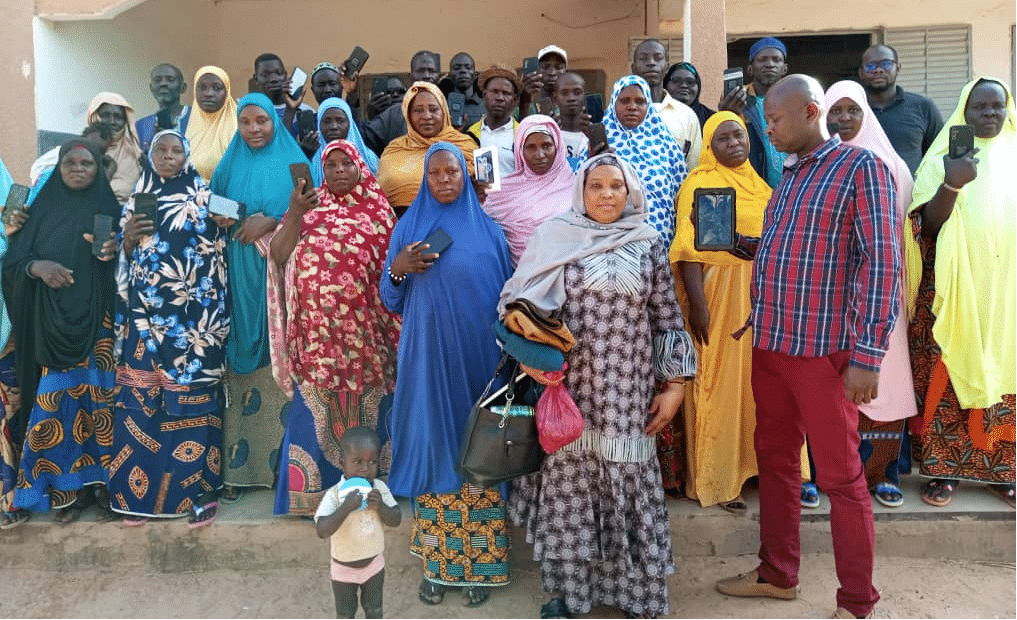
Dans ce cadre, la plateforme contribue à améliorer la détection, la décision et la traçabilité des actions face aux trois grands risques évitables :
- Malaria : better identification of suspected cases, community-based care in accordance with current protocols, and rapid referral of complicated cases.
- Diarrhoea : promoting and monitoring care, providing key advice to families, and detecting signs of dehydration requiring referral.
- Pneumonia : more systematic identification of respiratory signs, appropriate referral and documented follow-up.
By making care pathways more structured and information reporting more reliable, mHealth helps to improve the quality of community-based IMCI, reduce delays in treatment, and improve continuity of follow-up for children in households.
Deployment in four out of eight regions provides a solid foundation for further progress. The ambition is clear: to gradually extend coverage to the entire country, while consolidating quality, supervision and the effective use of data for decision-making.
Beyond being a digital tool, mHealth represents an approach: making community health stronger, more coordinated and more equitable, serving communities in Niger.

 FR
FR  EN
EN