
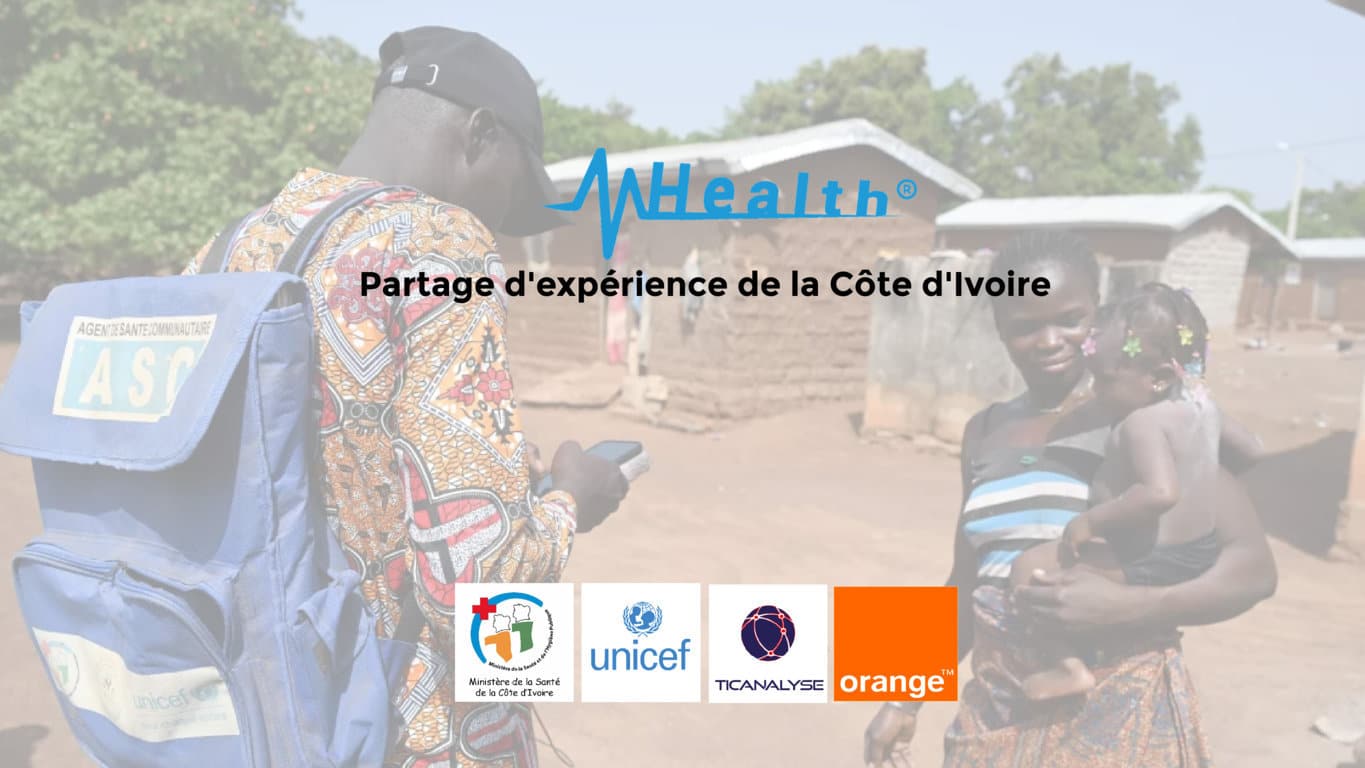
In Côte d'Ivoire, a wind of change is blowing through community health. The country has just taken a major digital leap forward with the adoption of mHealth version 5.0, ushering in a new era for access to healthcare. This giant step towards digitalisation marks a decisive milestone in the national mission to ensure equitable and effective healthcare for all its citizens.
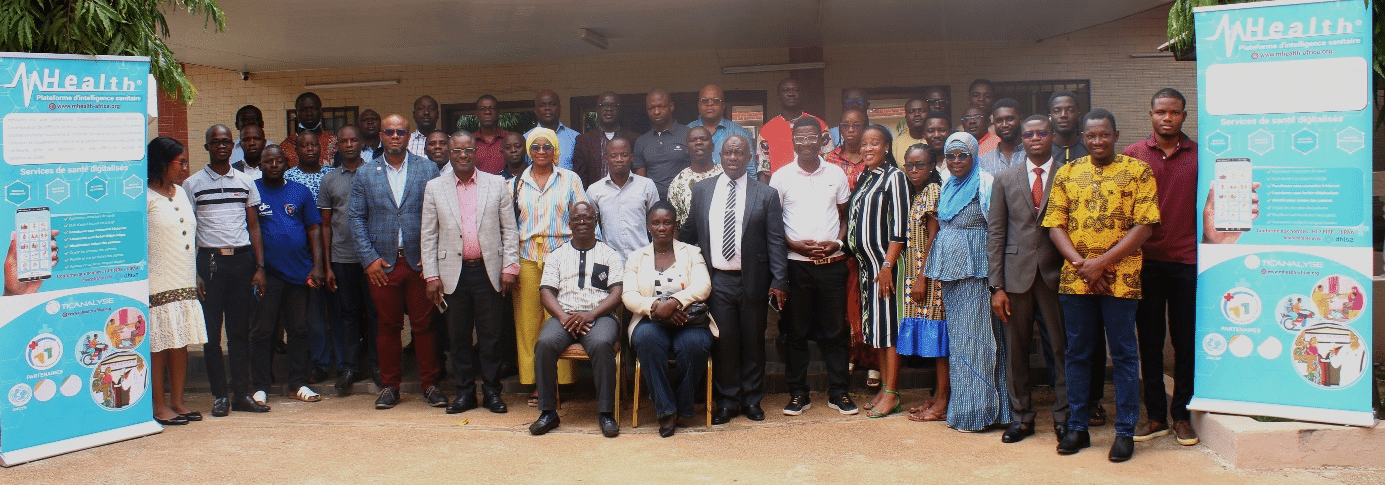
The Dawn of a New Era
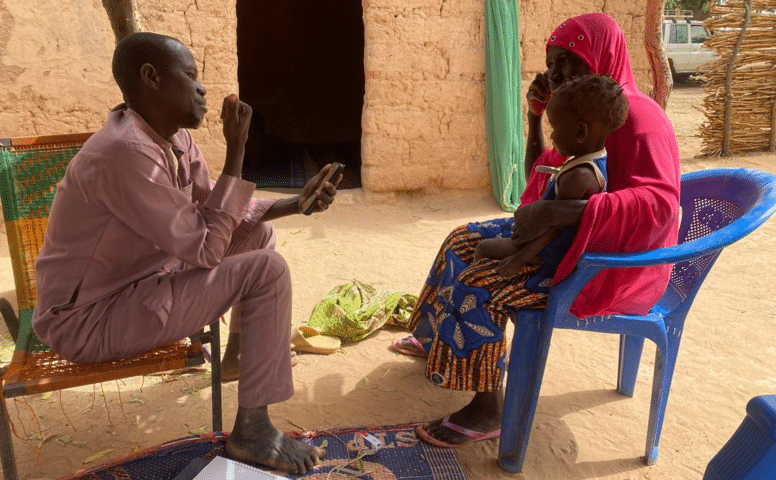
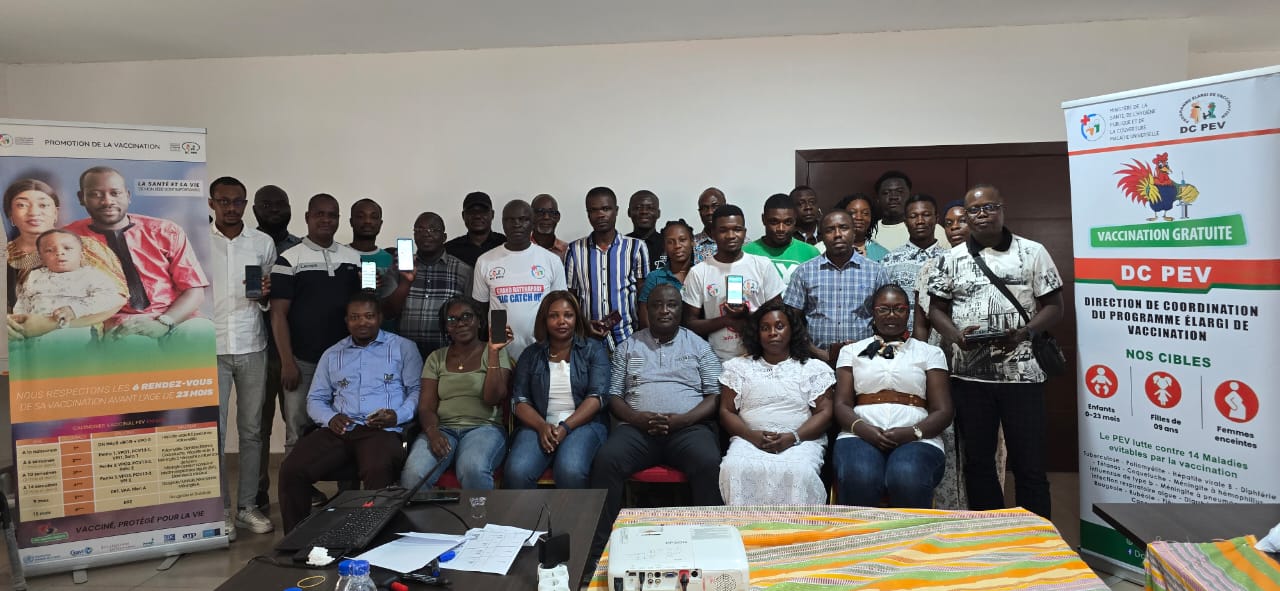
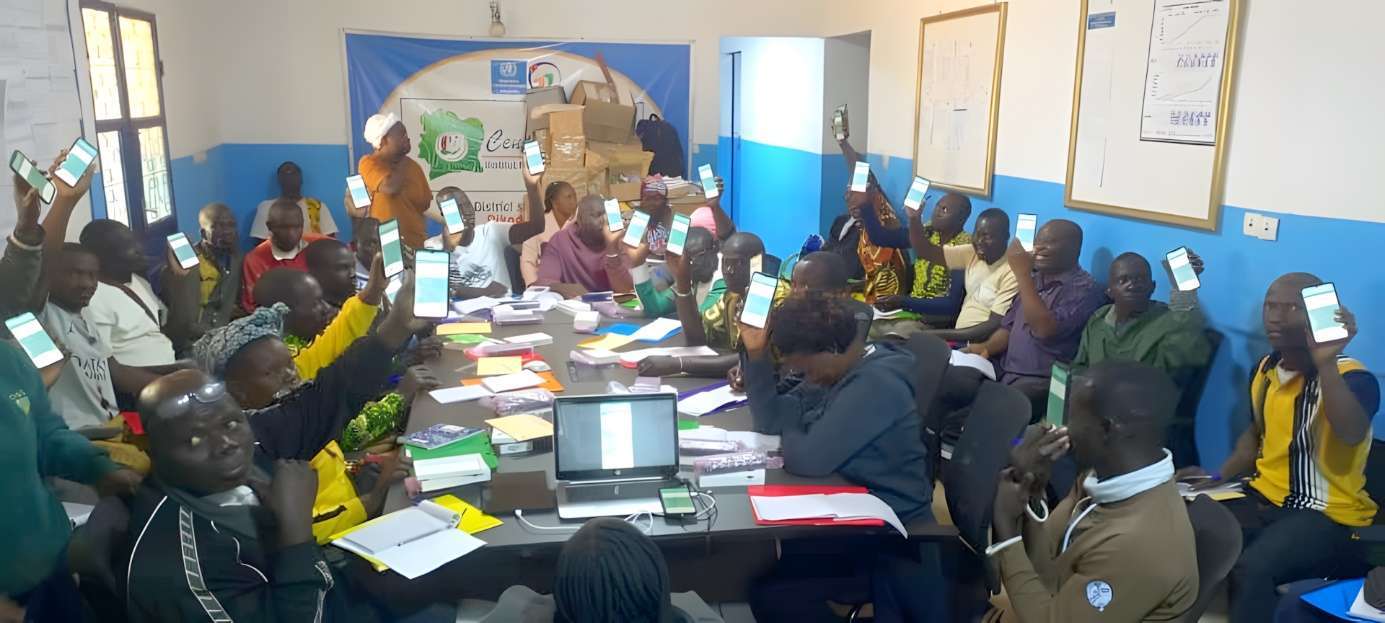
Imagine a healthcare system where every intervention is recorded, analysed and responded to in real time, even in the most remote areas of Côte d'Ivoire. This is the promise of mHealth, the innovative platform that has just been rolled out across the country. This technology is not just a tool; it is a bridge to the future, a means of connecting rural communities to the most modern healthcare protocols.
Revolutionary Features
mHealth 5.0 has revolutionary features:
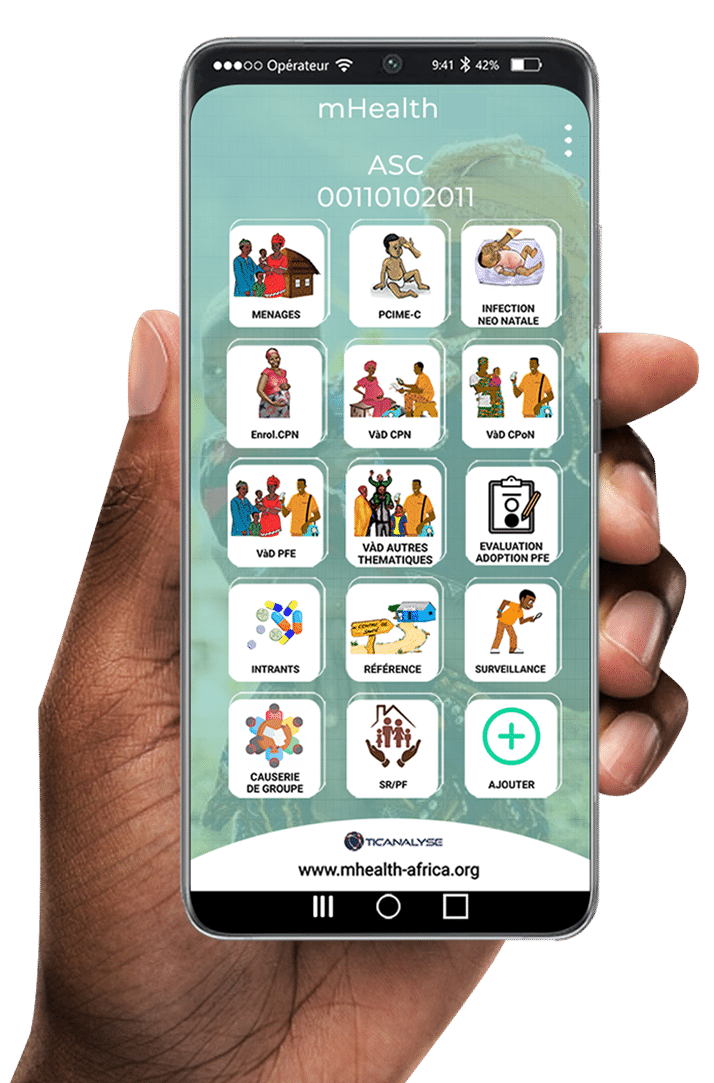
· Electronic assistant: Facilitates the daily work of community health workers by providing them with interactive support for the delivery of curative, preventive and promotional health services. This assistant guides workers through care protocols and aids in clinical decision-making, thereby improving the quality of care provided.
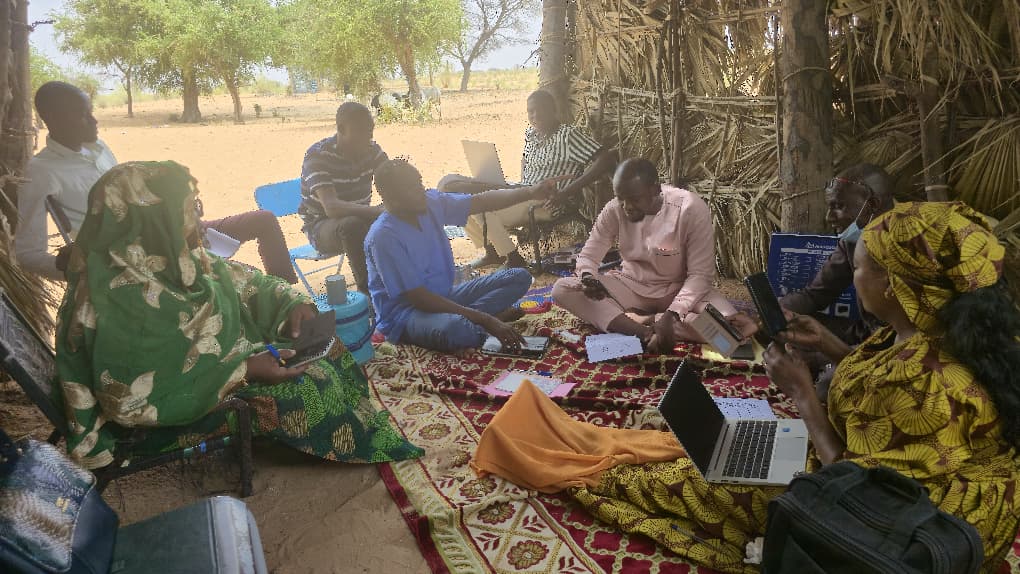
· Offline capacity: Enables continuity of healthcare services even without an internet connection, an essential feature in areas where internet access is limited or non-existent. Data can be collected and stored locally, then synchronised with central servers once the connection is restored.
· Household and child census: mHealth facilitates the registration of households and children in communities, enabling the collection of accurate and up-to-date demographic data. This feature is crucial for public health monitoring and the planning of targeted health interventions.
· Unique patient identification: Each patient is identified by a unique code in the system, enabling personalised and continuous monitoring. This helps to avoid duplication and ensures that medical records are accurately linked to the right person, which is essential for longitudinal patient follow-up.
· Synchronisation with DHIS2: Ensures seamless integration with national health information management systems. This feature guarantees that collected data is immediately available for analysis and decision-making, improving the responsiveness of health services to emerging needs.
· Integrated training modules: Provide healthcare professionals with educational resources that are directly accessible on the platform, facilitating their continuing education and rapid adoption of the technology. This approach accelerates the learning curve and ensures optimal use of the platform from the very first time it is used.
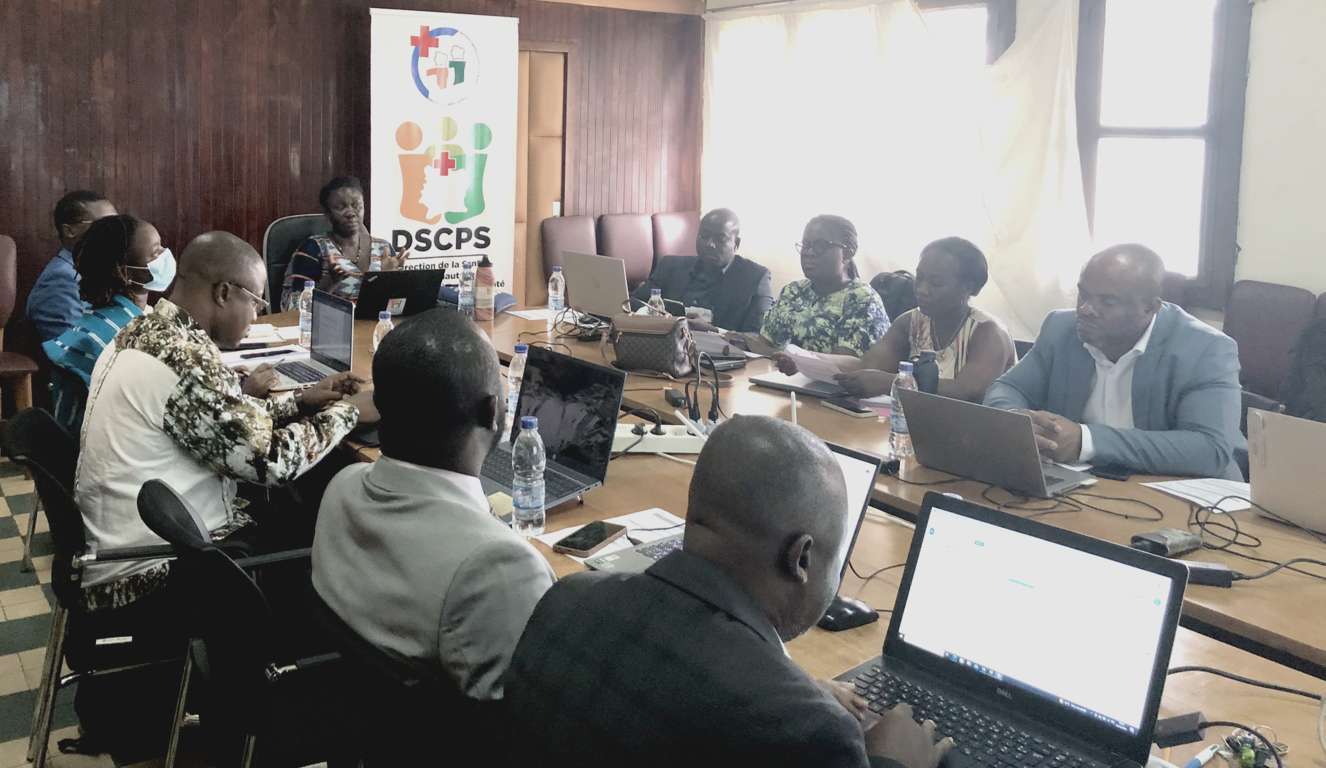
The impact of mHealth will go beyond logistical improvements; it affects the lives of every Ivorian in the areas covered. Data collected in real time enables rapid response to health emergencies, improves vaccination coverage and helps prevent epidemics before they spread. Every piece of data collected is another step towards a future where every citizen has access to quality healthcare.
Conclusion
With the rollout of mHealth, Côte d'Ivoire is establishing itself as a leader in digital health innovation in Africa. This ambitious project is not only a technological advance, but also a profound commitment to the health and well-being of every citizen. The digital health revolution is underway, and Côte d'Ivoire is at the forefront.

 FR
FR  EN
EN